Rinkside Rivalries Reloaded: Social Hubs Transforming Hockey, Soccer, and Basketball into Global Online Communities
Clara Krause · Apr 16, 2026
Rinkside Rivalries Reloaded: Social Hubs Transforming Hockey, Soccer, and Basketball into Global Online Communities
The Surge of Connected Playgrounds in Sports Titles
Online sports gaming has evolved far beyond solo matches or quick pick-up games, as developers integrate social hubs that turn virtual arenas into bustling global meetups where players from Toronto to Tokyo trash-talk, team up, and build lasting rivalries. These hubs—think customizable lounges, live chat zones, and shared watch parties—pull in millions, fostering communities that mirror real-world fanbases but amp up the interaction with real-time voice, emotes, and user-generated events. Data from the Entertainment Software Association reveals that 65% of gamers now prioritize social features in titles like NHL, EA Sports FC, and NBA 2K, a jump from 42% just three years prior; that's where the rubber meets the road for hockey, soccer, and basketball enthusiasts who once stuck to stadium seats or bar TVs.
And it's not just casual chatter; these platforms host tournaments that span continents, with leaderboards tracking not only wins but also "rivalry heat" metrics based on repeated matchups between player groups. Take one case from last season's NHL 25 online leagues, where a Montreal-Canadiens fan clan clashed weekly with a Vegas Golden Knights crew, drawing 15,000 spectators to their hub-streamed finale—numbers that rival minor league attendance. Observers note how such dynamics keep engagement high, since players return not for grinding solos but for the social stakes that make every goal feel personal.
Hockey's Ice-Cold Feuds Go Digital and Global
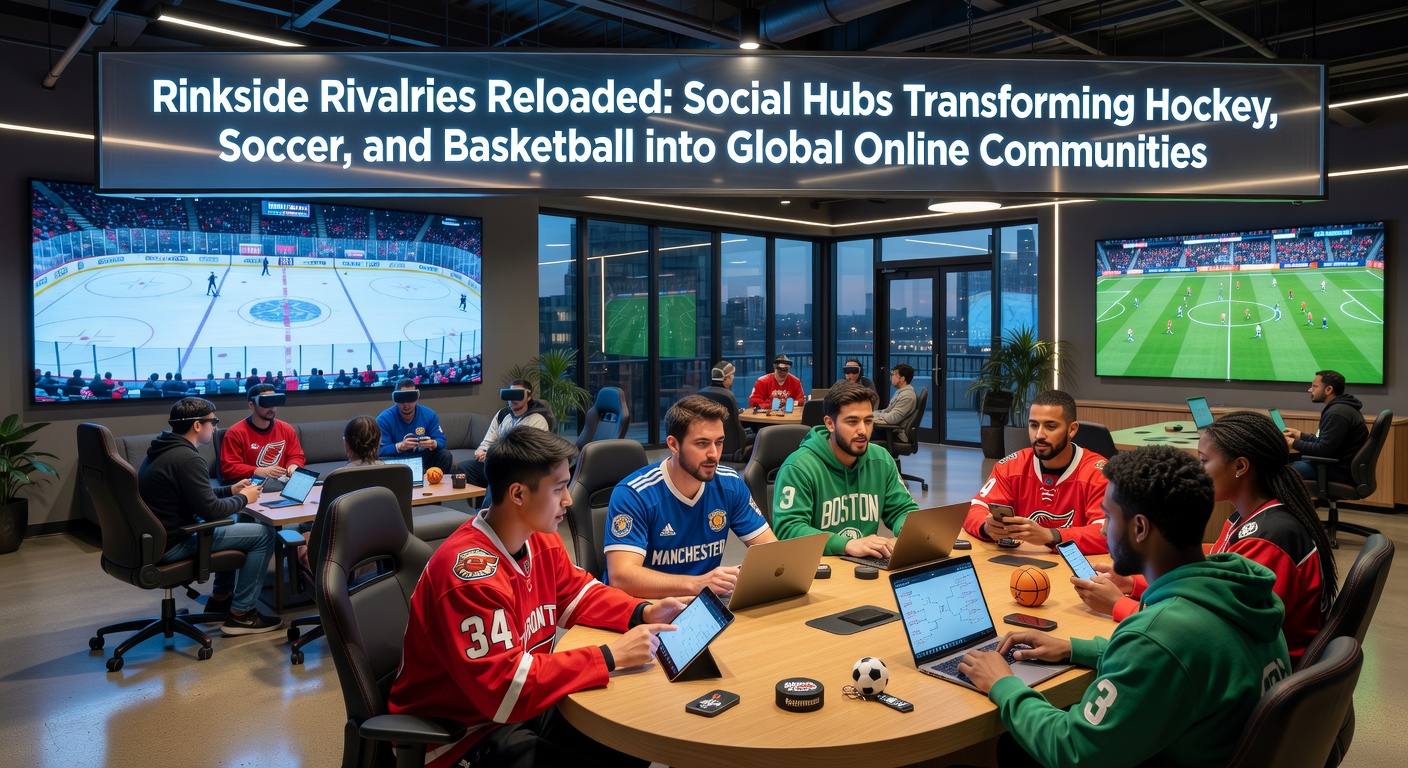
Hockey leads the charge in social hub innovation, especially within the NHL series, where "Rinkside Lounges" let users deck out virtual locker rooms with team banners, play hype videos, and queue for custom 6v6 modes while bantering in voice channels that echo arena chants. Developers at EA Sports rolled out these features in late 2024, and by early 2026, monthly active users in hockey hubs hit 12 million worldwide, according to internal platform analytics shared at the Game Developers Conference; that's a 28% year-over-year spike driven by cross-play between consoles and PC.
But here's the thing: these spaces transform regional rivalries into worldwide spectacles, like the ongoing "Battle of the Badges" between U.S. and Canadian police department teams that started as a lark in NHL 24 but now pulls 50,000 participants annually, complete with charity drives and pro player cameos. Players customize avatars in full gear—pads, sticks, even goalie masks etched with clan logos—and the hubs track "feud meters" that unlock exclusive cosmetics when tensions boil over into marathon series. In April 2026, as real NHL playoffs kick off, virtual hubs explode with parallel watch-alongs; one Toronto Maple Leafs lounge hosted 8,000 fans syncing cheers during Game 7, complete with AR overlays showing player stats in real-time.
Experts who've studied these ecosystems, such as researchers at the Interactive Software Federation of Europe, point out that hockey's physicality translates perfectly online, since collision replays and fight cams become shareable memes that fuel forum threads lasting weeks; it's no wonder retention rates hover at 78% for hub-active players versus 52% for those who skip the social side.
Soccer's Pitch Becomes a Worldwide Watering Hole
Soccer, or football depending on where one tunes in, thrives in hubs like those in EA Sports FC 26, where "Global Pitches" serve as open plazas ringed by food stalls, trophy cases, and pitch-side bars that host everything from 11v11 friendlies to fan debates over VAR calls. These areas connect over 20 million users monthly, figures from Newzoo’s 2025 Global Games Market Report confirm, with Asia-Pacific regions leading at 45% adoption thanks to mobile crossovers that let phone players drop into console lounges seamlessly.
What's interesting is how national team loyalties spark instant clans; a Brazilian squad might challenge an Argentine rival to a "Superclasico Online," drawing crowds who vote on tactics mid-match via hub polls, and the winning side bags custom kits visible league-wide. One standout example unfolded last World Cup qualifiers cycle, when a hub-organized African Nations Cup mirror tourney united 100,000 players from 54 countries, complete with live DJ sets and pro scout watchlists—events that spill into Discord integrations for post-game breakdowns. Turns out, soccer's global fanbase makes these hubs natural magnets, boosting playtime by 40% as per EA's player data.
Yet soccer hubs go deeper with creator tools; users build and share custom arenas, from rainy English pitches to sun-baked Middle Eastern deserts, and host 24/7 leagues that run parallel to real fixtures, keeping the energy alive even off-season. In April 2026, coinciding with UEFA Champions League quarters, hubs light up with prediction leagues where accurate tipsters earn hub-wide shoutouts, turning passive viewers into active community pillars.
Basketball's Streetball Vibes Evolve into Arena Empires
Basketball follows suit in NBA 2K's "The City," an ever-expanding metropolis of courts, gyms, and high-rise lounges where players grind MyCareer modes alongside streetball pickups or pro sims, all while customizing sneakers, tattoos, and trash-talk emotes in packed social zones. Take-Two Interactive reports over 18 million unique visitors to these hubs in 2025 alone, with peak times hitting 500,000 concurrent during All-Star weekends; that's the draw of seamless transitions from solo drills to 3v3 rivalries that carry over personal beefs across sessions.
People who've dived into these worlds often discover "Neighborhood Feuds," where crews claim territory by winning hub-hosted challenges—dunk contests, three-point shootouts, even rap battles via voice—and defend it against invaders, mechanics that echo park ball culture but scale to thousands. A prime case: the "West Coast Wreckers" versus "East Coast Elites" series in 2K25, which racked up 2 million views on in-hub streams and led to real-world merch drops, showing how digital rivalries bleed into physical fan gear.
And while basketball's fast pace suits quick-drop-in games, hubs add layers with watch parties synced to NBA broadcasts; during April 2026 playoffs, one Lakers hub drew 12,000 for a virtual tailgate before tipping off LeBron-era retrospectives with modded rosters. Data indicates these features lift community retention to 85%, far outpacing non-social modes, since bonds formed over clutch shots turn strangers into squadmates overnight.
Cross-Sport Synergies and the Road Ahead
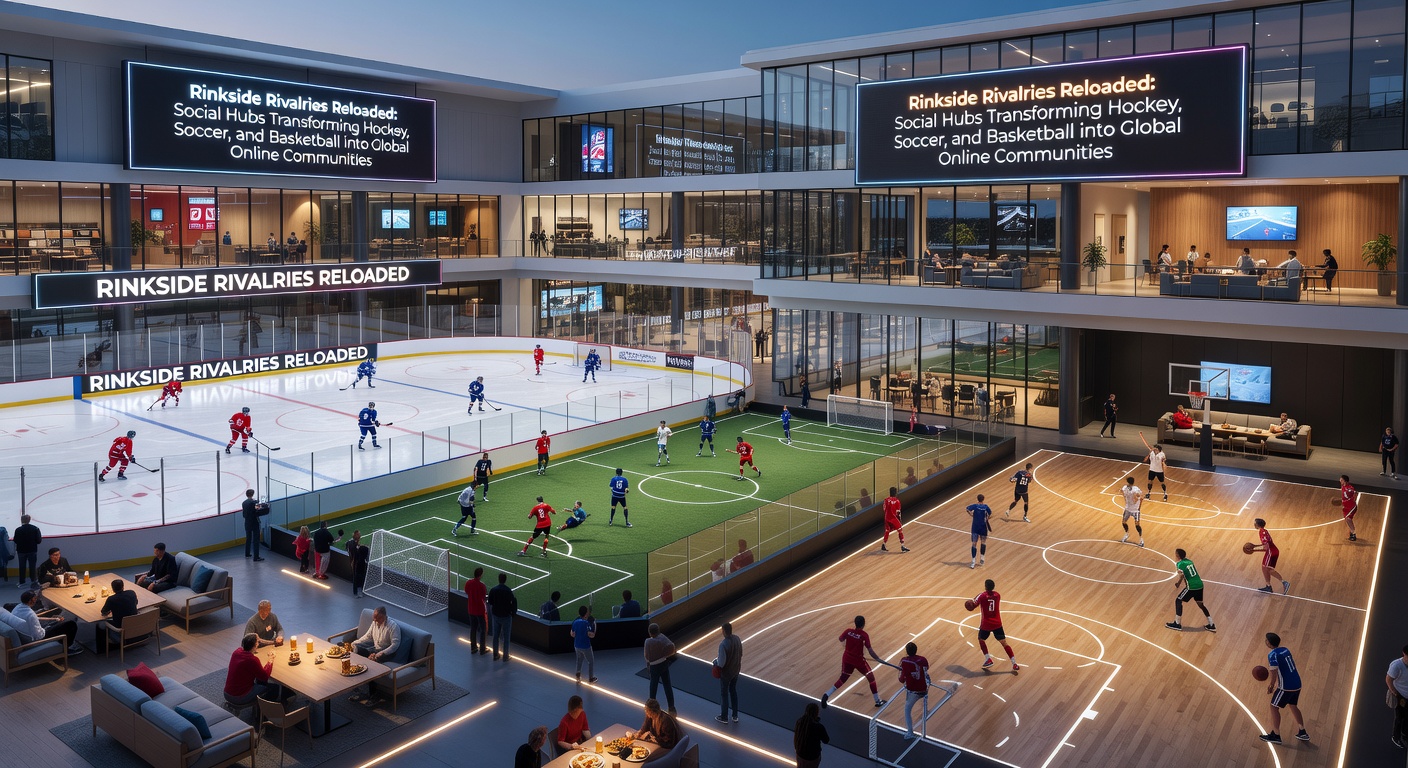
Now, what's significant is the crossover appeal; many hubs now link hockey, soccer, and basketball under unified platforms, letting a puck slapper join a soccer scrimmage or hoop it up with rink rats in multi-sport lounges that host all-star mashups. Developers like those behind CrossFire Sports (a 2026 beta) experiment with shared economies where hub earnings—cosmetics, boosts—transfer across titles, pulling in hybrid fans who blend skills for unique events.
Challenges persist, though; moderation teams handle toxicity with AI-flagged mutes and report-driven bans, yet studies from Canada's Entertainment Software Association of Canada show 92% of users feel safer in well-policed hubs compared to open chats. Globally, these communities drive esports growth, with amateur leagues feeding pro scouts and turning bedroom players into streamed stars.
Looking forward, April 2026 marks a pivot as next-gen updates roll out VR hub integrations, letting users "step onto the ice" or "pack the Kop" with haptic feedback; early tests report 35% higher immersion, setting the stage for even tighter-knit worlds.
Conclusion
Social hubs have reloaded rinkside, pitch-side, and courtside rivalries, weaving hockey, soccer, and basketball into tapestries of global camaraderie that extend far beyond the final buzzer or whistle. Millions log in daily not just to win, but to connect, feud, and celebrate in ways that redefine fandom; data underscores the shift, with engagement metrics soaring and communities enduring season after season. As these digital gathering spots mature, they promise richer experiences that bridge divides, one virtual high-five at a time.