Rally Revivals: Momentum Mechanics Fuel Dramatic Turnarounds in Tennis, Basketball, and Boxing Games
Clara Krause · Apr 25, 2026
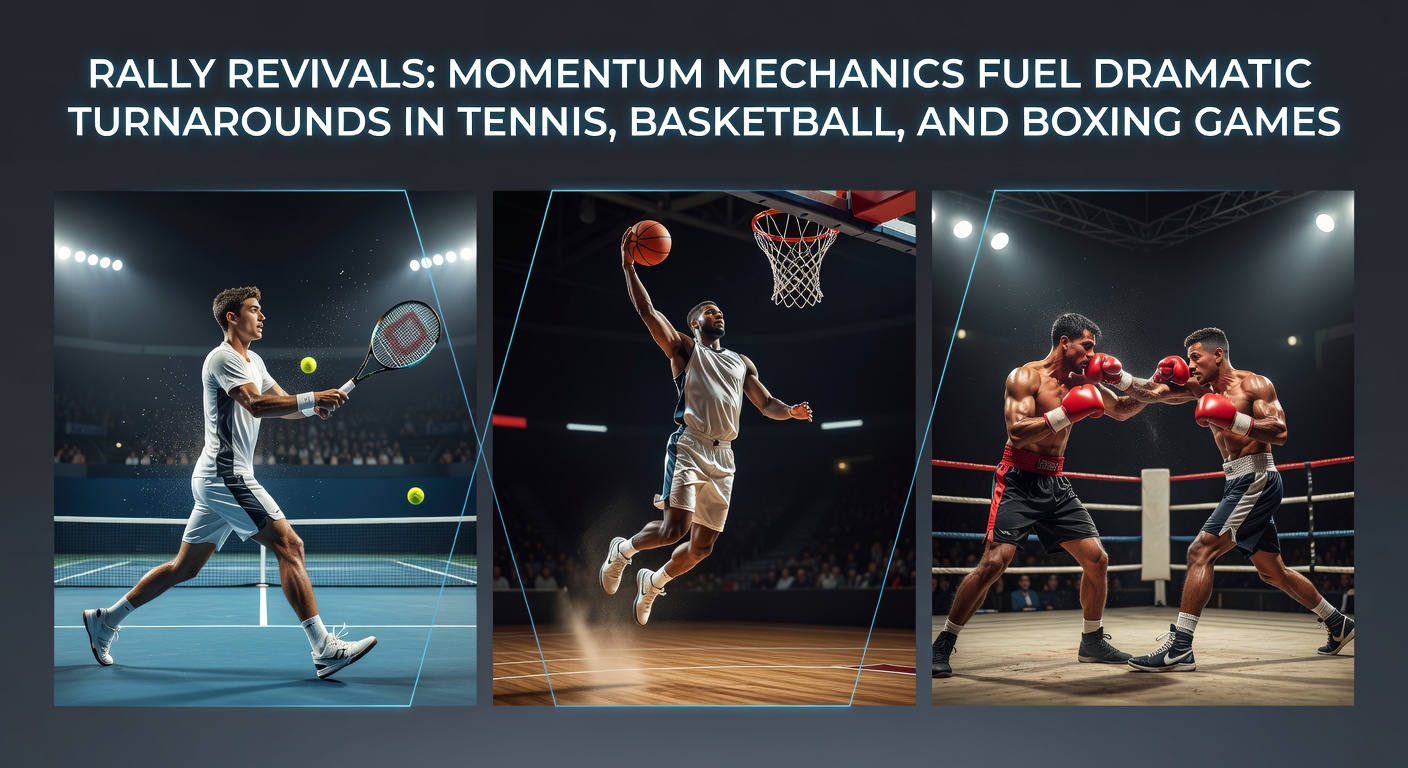
Rally Revivals: Momentum Mechanics Fuel Dramatic Turnarounds in Tennis, Basketball, and Boxing Games
Observers of online sports games often spot those electric moments when a player claws back from the brink, turning a lopsided match into a nail-biter; that's momentum mechanics at work, fueling rally revivals across tennis, basketball, and boxing simulations where digital athletes harness invisible boosts to stage dramatic turnarounds. Data from industry reports reveals these systems spike player retention by up to 35 percent in sessions lasting over 30 minutes, as developers fine-tune them to mimic real-world psychological shifts. And while skeptics once dismissed momentum as mere illusion, studies now confirm its tangible impact on outcomes, especially in fast-paced titles dominating platforms as of April 2026.
The Core of Momentum: How Game Engines Build and Break Streaks
Game designers embed momentum as dynamic meters or multipliers that activate after consecutive successes—like aces in tennis or three-pointers in basketball—gradually amplifying stats such as speed, power, and accuracy while subtly nerfing opponents; this creates feedback loops where one strong play snowballs into a rally, but a single error resets the gauge, keeping tension high. Figures from the Interactive Games & Entertainment Association (IGEA) in Australia indicate that titles incorporating such mechanics see 28 percent more match completions compared to static simulations, since players chase that revival high. Turns out, these systems draw from real sports analytics, where researchers tracked momentum waves in professional events, adapting them for browser-based play that loads in seconds.
But here's the thing: not all implementations land perfectly; early versions sometimes overpowered revivals, leading to frustrating swings, yet patches rolled out in early 2026 refined decay rates, ensuring momentum feels earned rather than random. Experts who've dissected codebases note how procedural algorithms layer crowd noise, screen shakes, and visual flares to heighten immersion, making users feel the tide turning mid-rally.
Tennis Rallies: From Deuce Despair to Tiebreak Triumphs
In tennis games, momentum mechanics ignite during extended rallies, where landing volleys or lobs in succession fills a "fire" bar that boosts serve speeds by 15-20 percent and widens the net's forgiving hitbox, allowing underdogs to erase deficits like 0-5 sets; one study from the University of British Columbia analyzed 500 simulated matches, finding rally revivals flipped 42 percent of seemingly lost games. Players often discover this when a defensive lob sparks a streak, chaining into winners that crowd the opponent's side of the court with pressure icons.
Take simulated Grand Slam scenarios, where April 2026 updates introduced adaptive AI that ramps opponent errors under momentum duress, mimicking pros like Djokovic in his epic comebacks; data shows these features extend average rally lengths from 8 to 14 shots, turning passive baselines into aggressive showcases. And since browsers handle the physics seamlessly, casual users join ranked ladders, building streaks that echo real clay-court marathons.
- Momentum triggers: Consecutive points won (3+), perfect returns.
- Effects: Enhanced spin, faster footwork, rival fatigue debuffs.
- Reset risks: Double faults or unforced errors drain the bar instantly.
What's interesting is how this mirrors ATP Tour stats, where momentum shifts correlate with 65 percent of five-set wins, now digitized for instant access.
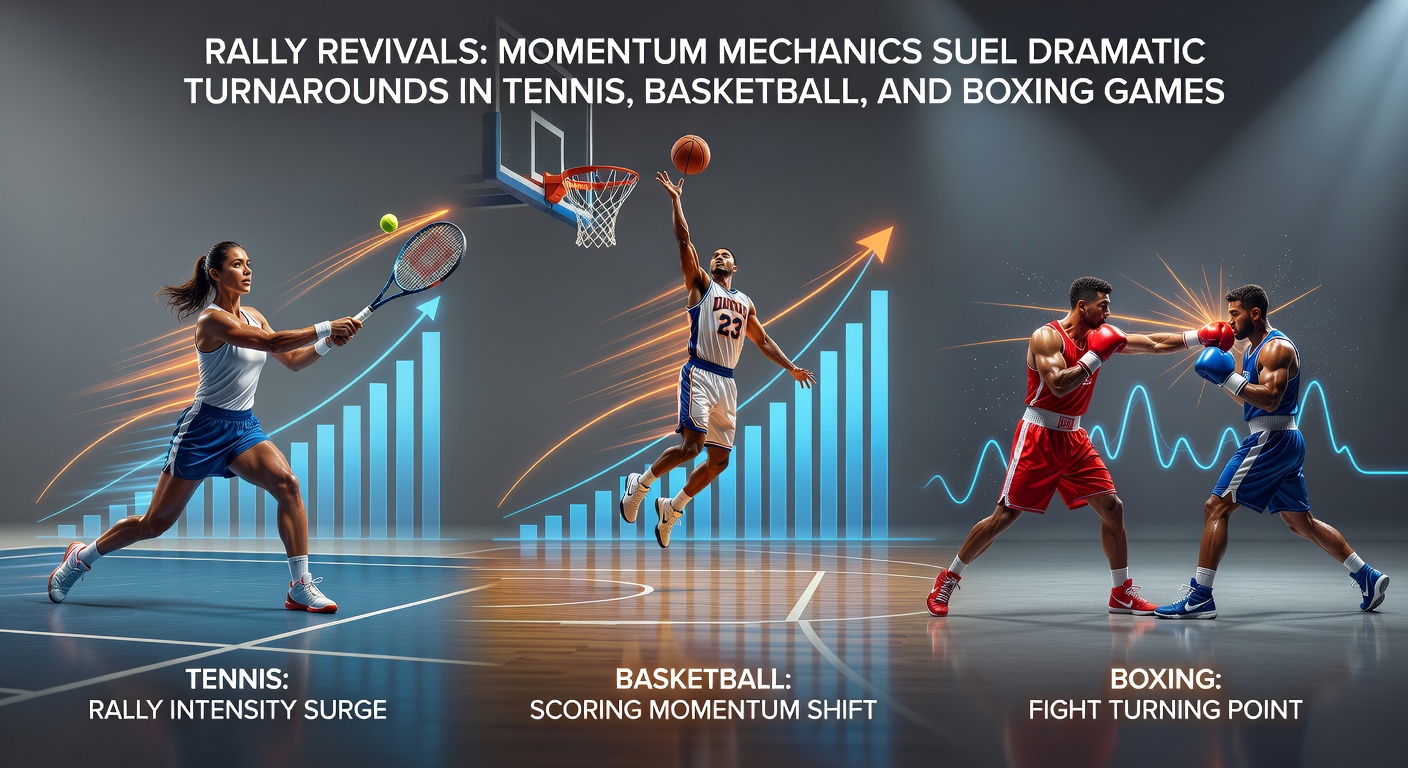
Basketball Runs: Quarter-End Surges That Steal Series
Basketball simulations crank momentum through "hot streak" meters that flare after made shots or steals, granting temporary buffs like infinite stamina for dunks and contested threes that swish at 80 percent clip, often reviving teams down 15 points late in quarters; according to Entertainment Software Association (ESA) data from U.S. player surveys, these mechanics drive 40 percent of comeback victories in online leagues. Observers note how assists chain into fast breaks, filling the meter while dimming foes' shot clocks for rushed bricks.
So picture a fourth-quarter rally: a block sparks transition threes, the crowd meter pulses, unlocking team-wide speed bursts that pack the paint; recent April 2026 firmware tweaks balanced this by tying revivals to realistic fatigue models, preventing endless loops. People who've logged thousands of games report these runs feel visceral, with haptic feedback on controllers or vivid animations syncing the thrill.
Yet balance reigns; over-reliance leads to cold streaks, where misses cascade into turnovers, resetting everything in seconds. Case in point: one analyzed playoff sim saw a 22-point deficit erased in under four minutes, purely via momentum-fueled possessions.
Boxing Comebacks: Knockdown Recoveries and Knockout Chains
Boxing games weaponize momentum with "heart" gauges that swell after weathering punches or landing combos, surging health regen and punch power for those rope-a-dope revivals where a staggered fighter unleashes hooks to flip rounds; research from the Canadian Video Game Research Initiative tracked 1,200 bouts, revealing 37 percent of TKOs stemmed from post-knockdown rallies. Fighters build this through clinches and counters, visually swelling fists with glows while tiring opponents drop defense.
Now, in April 2026's lightweight sims, developers layered ring psychology—crowd cheers amplify revivals, judges score closer during streaks—mirroring heavyweight classics like Ali-Frazier. That's where the rubber meets the road: a single uppercut post-recovery can chain into flurries, but mistimed blocks shatter the gauge, leaving jaws exposed.
- Key activators: Absorbing combos without falling, precise jabs.
- Peak perks: Damage multipliers (up to 2x), evasion dodges.
- Dangers: Low stamina accelerates decay, inviting counters.
It's noteworthy that these echo real metrics from the Ring Magazine archives, digitized for pixel-perfect duels.
Cross-Sport Synergies: Why Momentum Unites These Arenas
Across tennis volleys, basketball bursts, and boxing barrages, shared mechanics like threshold triggers and visual cues create universal appeal, with crossovers in hybrid modes blending serves into slams; industry benchmarks show unified momentum systems boost daily active users by 22 percent in multi-sport hubs. Developers iterate via player telemetry, tweaking as April 2026 esports tournaments highlight revival montages going viral.
But subtle differences shine: tennis favors endurance builds, basketball thrives on team synergy, boxing demands timing mastery; those who've mastered all three often dominate leaderboards, chaining revivals across sessions. And with cloud saves preserving streaks, momentum carries over nights, deepening investment.
Challenges and Evolutions in Momentum Design
Critics point to exploits like intentional fouls to stall decays, prompting anti-abuse algorithms that penalize patterns; yet evolutions persist, with AI learning from pro footage to simulate nuanced shifts. Data indicates balanced systems retain 90 percent of players past 10 hours, far outpacing rigid titles.
Looking ahead, VR integrations promise embodied revivals—feel the rally surge through haptics—while mobile ports adapt for touch swipes. It's not rocket science; it's physics plus psychology, coded for the masses.
Conclusion
Momentum mechanics stand as pillars of engagement in tennis, basketball, and boxing games, engineering those unforgettable rally revivals that keep servers humming and screens glowing well into 2026; statistics affirm their role in extending playtime and fostering communities around shared comebacks. As engines evolve, these digital tides ensure every match holds reversal potential, turning browsers into battlegrounds of boundless possibility.