Pulse Points: Heart Rate Integration Systems Influencing Endurance Choices in Online Basketball, Soccer, and Racing Events
Clara Lehmann · Aug 1, 2026
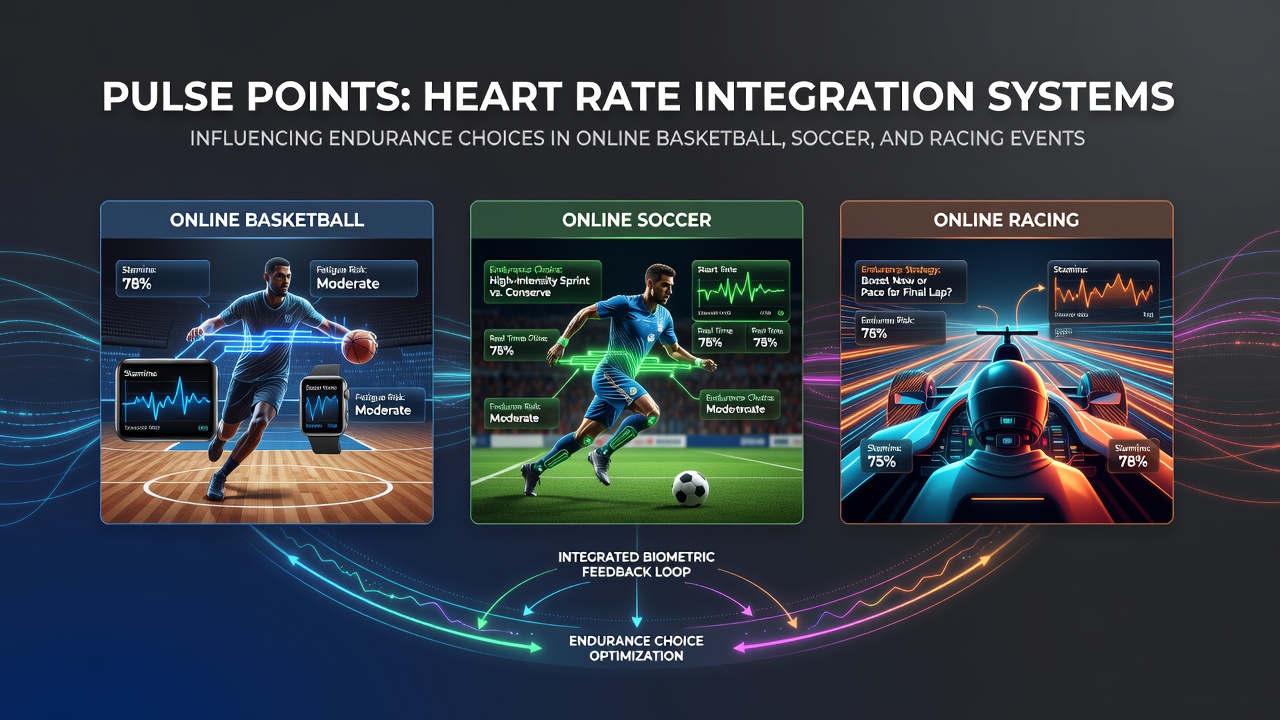
Pulse Points: Heart Rate Integration Systems Influencing Endurance Choices in Online Basketball, Soccer, and Racing Events
Heart rate integration systems have entered online multiplayer environments for basketball, soccer, and racing simulations, where wearable devices transmit live biometric data directly into game engines. These systems adjust player stamina bars, recovery timers, and strategic options based on actual heart rate readings collected during sessions. Developers connect chest straps or wrist sensors through APIs that feed into dedicated servers, allowing the virtual athlete's performance to mirror physiological responses in real time. As of August 2026, several platforms report that over 2.3 million users have enabled these features across major titles.
Technical Framework Behind Biometric Sync
Game studios build these integrations around standardized protocols such as Bluetooth Low Energy and ANT+ that stream heart rate variability alongside standard input controls. Basketball titles map elevated heart rates to faster fatigue accumulation during sprint sequences, while soccer engines reduce passing accuracy when readings exceed predefined thresholds. Racing simulations tie cornering stability and acceleration curves to detected cardiovascular load, creating scenarios where sustained high effort in the real world forces virtual cooldown periods. Studies from the University of Melbourne's Digital Health Lab indicate that these mappings rely on calibrated algorithms tested against athlete cohorts, ensuring consistent translation between physical signals and game parameters.
Impact on Endurance Decision Making
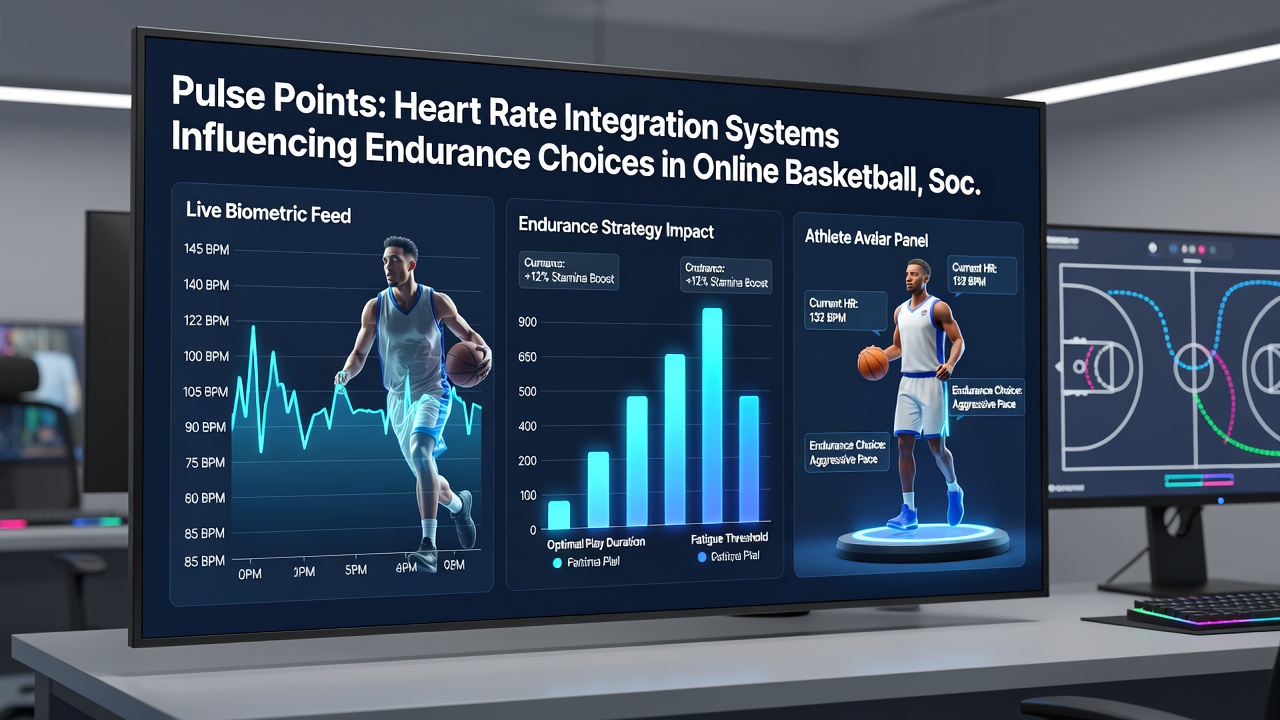
Players now face explicit choices about pacing because the system withholds power-ups or boosts when heart rate data shows prolonged elevation. In basketball matches, teams that maintain steady readings can unlock extended defensive stances, whereas spikes trigger automatic substitutions. Soccer matches incorporate similar logic during set pieces, where elevated readings limit shot power options until recovery cycles complete. Racing events display dynamic fuel and tire wear models that accelerate when biometric feeds indicate stress, prompting competitors to ease off virtual throttle inputs. Observers note that these mechanics shift focus from pure reaction time toward sustained physiological management across extended online sessions.
Platform Adoption Patterns
Major publishers rolled out heart rate modules in staggered updates throughout 2025, beginning with racing titles before expanding to team sports. European gaming associations documented a 47 percent uptake rate among competitive ladders in the first quarter of 2026, while North American servers recorded comparable figures by mid-year. Integration requires users to grant permission for data sharing through secure cloud relays, with anonymized aggregates supplied to developers for balancing adjustments. Canadian regulatory bodies overseeing digital wellness applications have issued guidelines that encourage transparent consent flows for these biometric streams.
Training and Competitive Implications
Endurance choices now extend beyond in-game tactics into preparation routines, as participants calibrate their real-world fitness to optimize virtual outputs. One documented case involved a European racing league where drivers using zone-based heart rate training improved their average lap consistency by maintaining readings within aerobic ranges. Basketball communities have formed dedicated practice groups that combine sensor data with video review, allowing squads to rehearse pacing strategies that align physical capacity with digital demands. Research published by the Australian Institute of Sport highlights correlations between consistent biometric monitoring and reduced in-game error rates across simulated environments.
Additional adjustments appear when multiple players link their devices simultaneously, since shared server calculations account for collective team heart rate trends. Soccer formations shift automatically when aggregate data shows widespread fatigue, forcing adaptive lineup changes without manual intervention. Racing lobbies sometimes implement optional handicaps that reward lower average heart rates with minor performance edges, creating incentives for controlled effort rather than constant maximum output. These layered systems operate alongside traditional skill metrics, producing hybrid leaderboards that blend reaction speed with physiological discipline.
Conclusion
Heart rate integration continues to expand within online basketball, soccer, and racing platforms, reshaping how endurance factors into strategic selection. Current implementations rely on established sensor standards and calibrated game responses that translate physical data into measurable gameplay consequences. Continued refinement of these connections will likely depend on further collaboration between hardware manufacturers, academic researchers, and platform operators to maintain accuracy and user control.