Pulse Patterns: Biometric Feedback Loops Refining Player Adaptations Across Digital Soccer, Tennis, and Boxing Platforms
Clara Krause · Jul 13, 2026
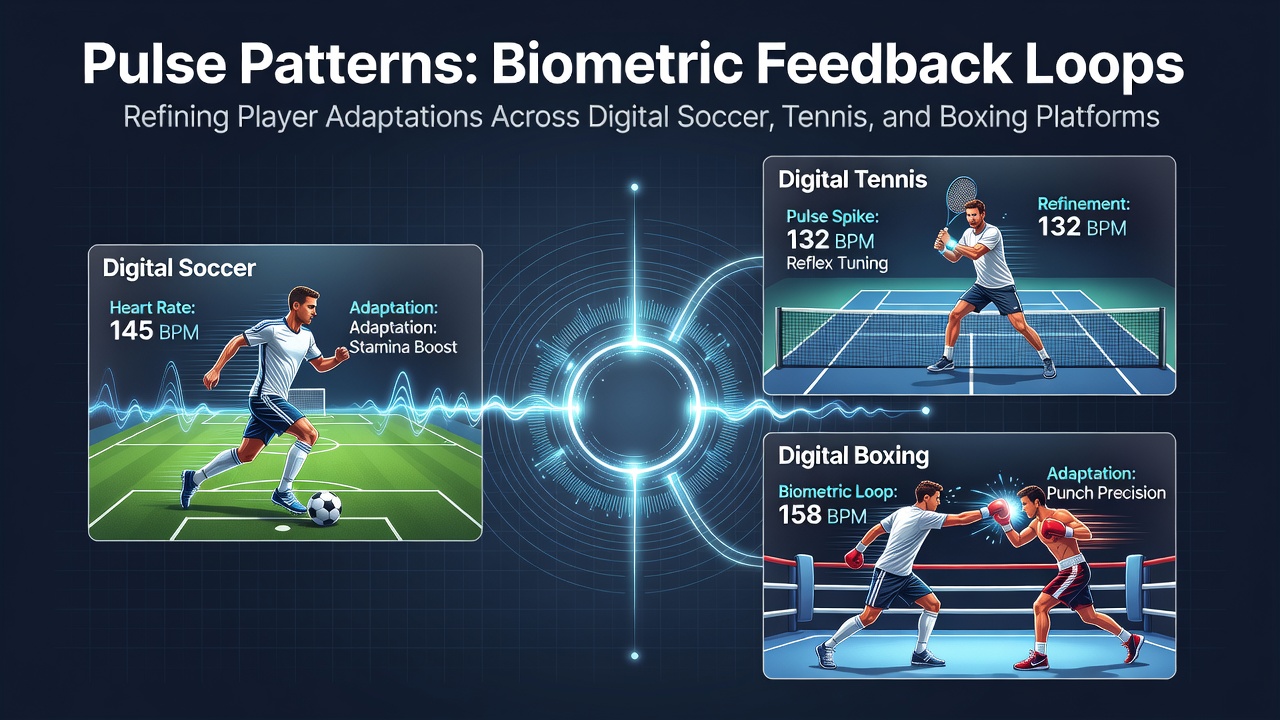
Pulse Patterns: Biometric Feedback Loops Refining Player Adaptations Across Digital Soccer, Tennis, and Boxing Platforms
Digital sports platforms have incorporated biometric feedback systems that monitor heart rate variability and pulse patterns to adjust gameplay mechanics in real time, and these integrations appear across soccer, tennis, and boxing simulations as of July 2026. Developers connect wearable devices or built-in controllers to game engines so that player physiological data directly influences character stamina, reaction times, and movement precision without requiring manual input adjustments.
Core Mechanisms of Pulse-Based Adaptations
Systems collect continuous pulse data through optical sensors on controllers or paired fitness bands, then feed readings into adaptation algorithms that modify virtual athlete performance metrics, and studies from institutions like the University of Toronto show how elevated heart rates trigger reduced stamina bars in soccer simulations while steadier patterns allow for sharper directional changes. Game code processes these signals in milliseconds to create responsive environments where sustained high pulse levels during intense rallies in tennis lead to gradual accuracy degradation unless players manage breathing patterns outside the session.
Soccer Platform Implementations
Soccer titles apply pulse feedback to regulate player fatigue during matches so that rapid heart rate spikes detected mid-game prompt automatic reductions in sprint speed and passing accuracy for virtual athletes, and data from multiplayer sessions reveal teams coordinating around these shifts by rotating players more frequently when biometric indicators climb. Observers note that defensive formations adapt dynamically because elevated pulses correlate with increased error rates in ball control, prompting midfielders to drop deeper to conserve energy reserves tracked by the system.
Boxing platforms take a similar approach but focus pulse readings on punch power and recovery intervals, whereas tennis applications tie the same data streams to serve consistency and court coverage endurance. Researchers discovered through controlled tests that participants who maintained lower resting pulses between rounds achieved higher win rates in simulated bouts because the feedback loops rewarded controlled cardiovascular responses with restored stamina bonuses.
Cross-Platform Data Patterns and July 2026 Developments
Comparative analyses across the three sports highlight how pulse variability thresholds differ by discipline, with soccer engines often using broader tolerance bands due to match duration while tennis and boxing tighten parameters around burst activities, and reports from the Australian Institute of Sport indicate that synchronized biometric data across platforms now supports shared user profiles for consistent adaptation profiles. In July 2026 updates, developers introduced cross-game calibration tools that allow pulse history from one title to inform starting conditions in another, reducing initial adjustment periods for returning players.
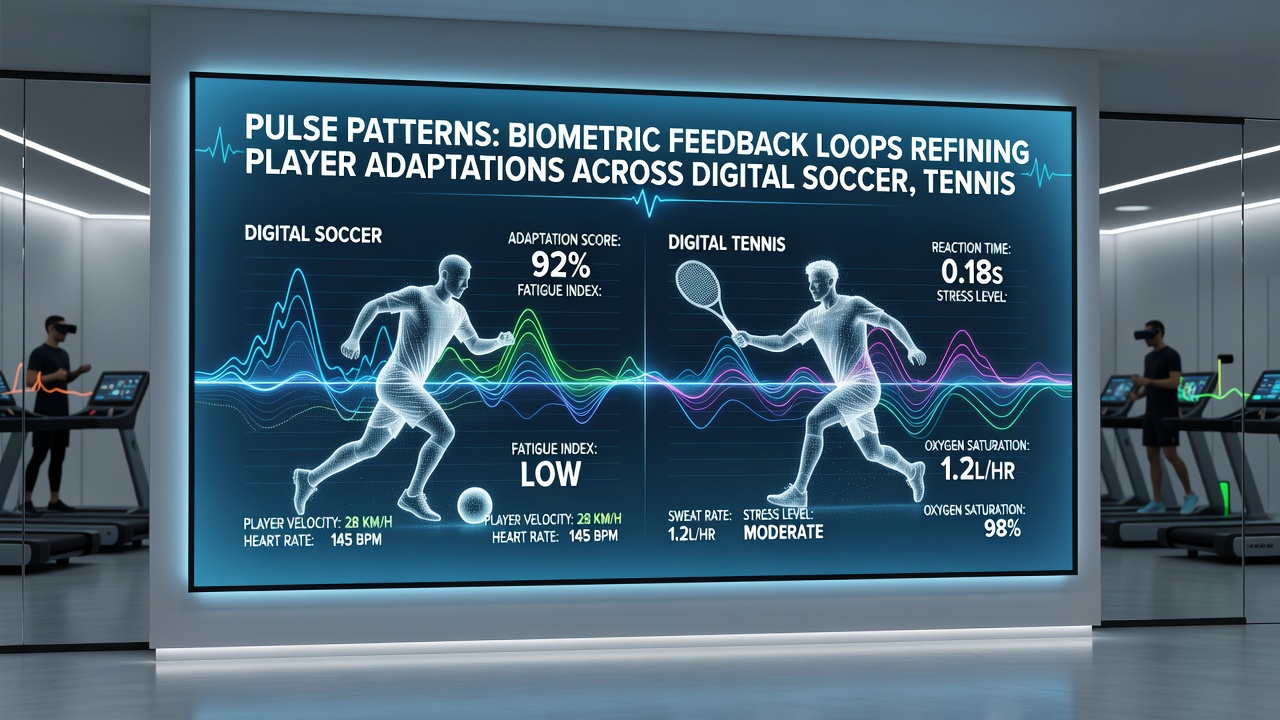
Industry organizations such as the International Game Developers Association have documented rising adoption rates of these loops in competitive ladders, where tournament organizers integrate verified biometric feeds to standardize conditions. Yet platform differences persist because soccer simulations emphasize cumulative endurance effects over full matches, tennis focuses on point-by-point recovery windows, and boxing prioritizes immediate punch output tied to momentary heart rate spikes.
Technical Integration Challenges
Hardware compatibility remains a key factor as not all controllers include advanced optical readers, forcing reliance on external wearables that transmit via Bluetooth protocols, and latency in data transfer can delay adaptations by fractions of a second that matter in fast exchanges. Developers address this through predictive smoothing algorithms that anticipate pulse trends based on recent gameplay intensity rather than waiting for each new reading.
Evidence from university-led trials at institutions across North America and Europe demonstrates measurable skill transfer when players train with biometric feedback enabled, as consistent pulse management correlates with improved decision-making under pressure in unassisted play sessions. Those who've studied this know the systems reward physiological awareness because virtual characters mirror real recovery curves more closely than static difficulty scaling ever could.
Conclusion
Biometric pulse integration continues to expand across digital soccer, tennis, and boxing platforms through refined feedback loops that tie real physiological signals to in-game adaptations, and ongoing refinements in July 2026 point toward broader hardware support alongside standardized data protocols. Research from sources including the National Institutes of Health supports the technical viability of these systems for creating responsive experiences that evolve with individual player states over time.