Neural Nets on the Court: Machine Learning Opponents Redefining Skill Progression in Digital Golf, Boxing, and Racing Simulations
Clara Lehmann · Aug 24, 2026
Neural Nets on the Court: Machine Learning Opponents Redefining Skill Progression in Digital Golf, Boxing, and Racing Simulations
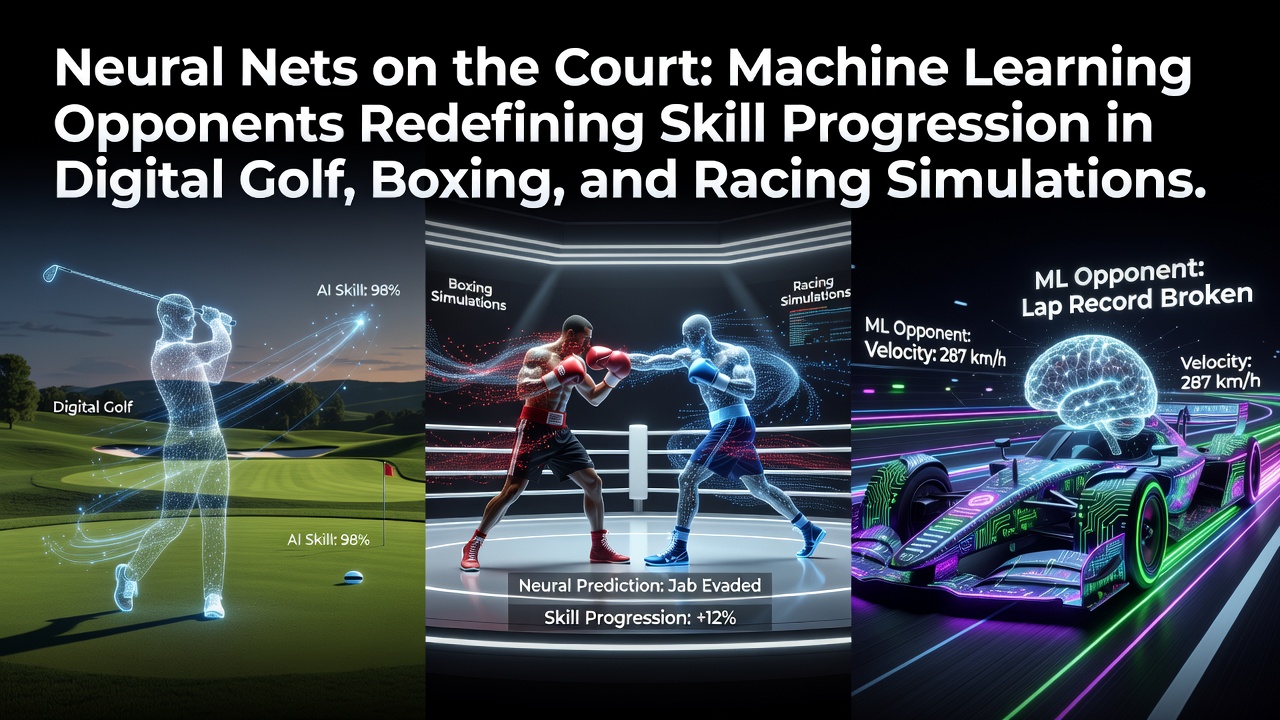
Developers integrate neural networks into sports simulations to create opponents that learn from repeated matches and refine responses based on individual player tendencies, and this method has gained traction in golf, boxing, and racing titles by August 2026. Data from industry reports shows these systems use reinforcement learning algorithms that process thousands of gameplay variables per session, allowing virtual competitors to shift tactics mid-match rather than follow fixed scripts.
Observers note that earlier rule-based AI often plateaued in predictability, whereas current neural net implementations track metrics such as swing timing in golf or cornering angles in racing and generate counter-strategies on the fly. Research from the University of Toronto indicates these adaptive models reduce the repetition that once limited long-term engagement in single-player modes.
Adaptation Mechanisms Across Core Genres
In golf simulations neural networks evaluate course conditions, wind vectors, and a player’s historical club selection to adjust virtual caddie advice and opponent shot placement, and this produces training loops that mirror professional coaching feedback. Boxing titles apply similar processing to stance shifts and punch combinations, where the AI records recovery times after hits and modifies aggression levels accordingly.
Racing simulations feed telemetry data on throttle input, braking zones, and overtaking patterns into recurrent neural layers that forecast driver intent several seconds ahead, and the resulting opponent behavior forces continuous adjustments in racing lines and gear management. Figures from the Interactive Games and Entertainment Association reveal that titles incorporating these systems report higher session retention rates compared with static AI counterparts.
Skill Progression Pathways
Players advance through layered difficulty tiers that evolve with demonstrated competence, and neural opponents scale their error margins and decision speed in proportion to tracked improvement. Those who study these mechanics discover that early sessions focus on basic pattern recognition, while later stages demand anticipation of counter-adaptations that emerge only after dozens of encounters.
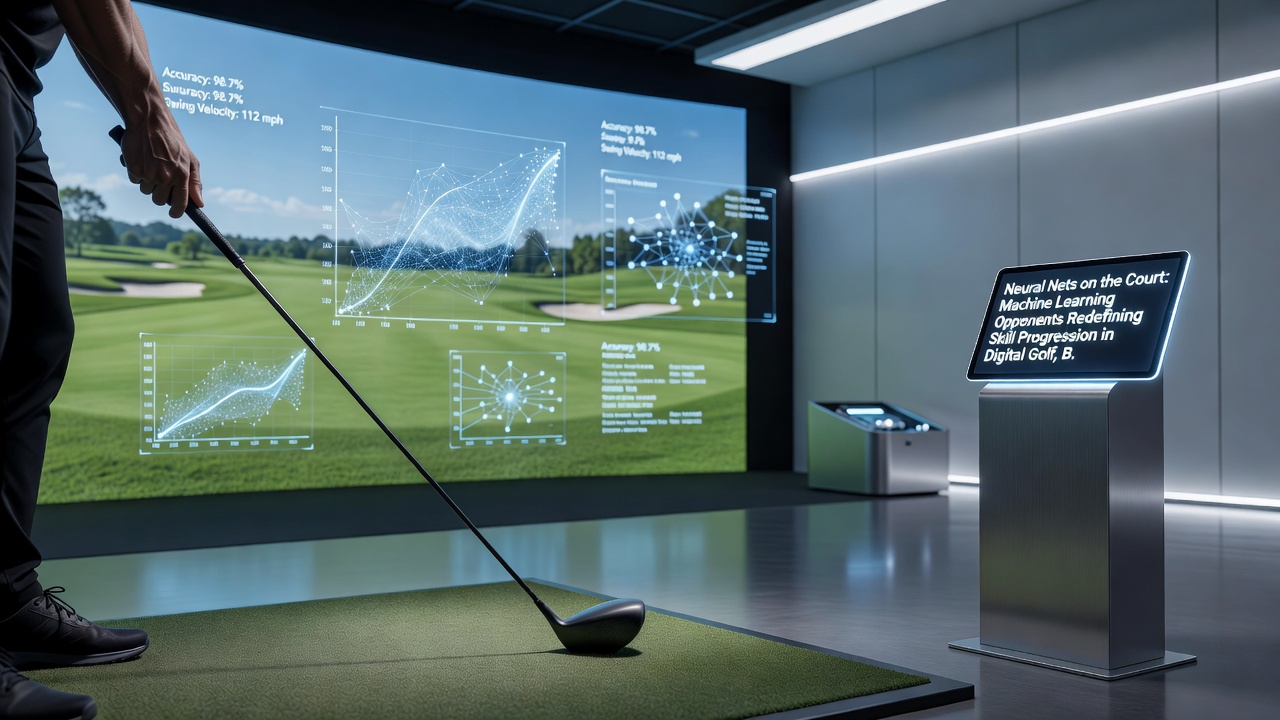
Case examples include racing leagues where mid-season patches introduce new track variants, prompting the AI to recalibrate optimal racing lines based on aggregated player data from the preceding month. Golf platforms have introduced seasonal weather models that retrain neural weights weekly, ensuring opponents respond differently to the same hole under varying conditions. Boxing career modes log cumulative fatigue patterns and adjust sparring intensity to target specific weaknesses identified in prior bouts.
Technical Implementation Details
Training pipelines rely on distributed compute clusters that simulate millions of self-play matches to refine policy networks, and developers then fine-tune these models with anonymized user telemetry under strict privacy protocols. European Union data protection guidelines require explicit consent for such data collection, and several studios publish transparency reports detailing model update cycles.
Hardware advancements in consumer GPUs have enabled on-device inference for certain opponent behaviors, reducing latency during online practice sessions. Studies conducted at the Australian Centre for Interactive Design confirm that localized processing preserves responsiveness even when network conditions fluctuate.
Community and Competitive Implications
Online leaderboards now incorporate separate rankings for matches against adaptive AI, allowing players to benchmark skill growth without human opponents, and tournament organizers have begun integrating hybrid events that alternate between neural and human adversaries. This structure provides measurable benchmarks that correlate with performance in player-versus-player brackets.
Training academies within these simulations offer replay analysis tools that highlight moments where neural opponents exploited predictable habits, and users report faster identification of mechanical flaws after reviewing such breakdowns. The approach extends practice value beyond simple repetition by emphasizing strategic foresight.
Conclusion
Neural network opponents continue to reshape progression systems in digital golf, boxing, and racing simulations by replacing static difficulty curves with responsive, data-driven challenges. Evidence from multiple research institutions and industry associations shows measurable gains in player retention and skill transfer when these technologies receive regular updates. As implementation standards mature, further refinements in real-time adaptation remain likely across additional sports genres.