Ghost Protocols: AI Pathfinding Evolutions Impacting Multiplayer Dynamics in Digital Hockey, Racing, and Basketball Simulations
Greta Griffin · May 28, 2026
Ghost Protocols: AI Pathfinding Evolutions Impacting Multiplayer Dynamics in Digital Hockey, Racing, and Basketball Simulations
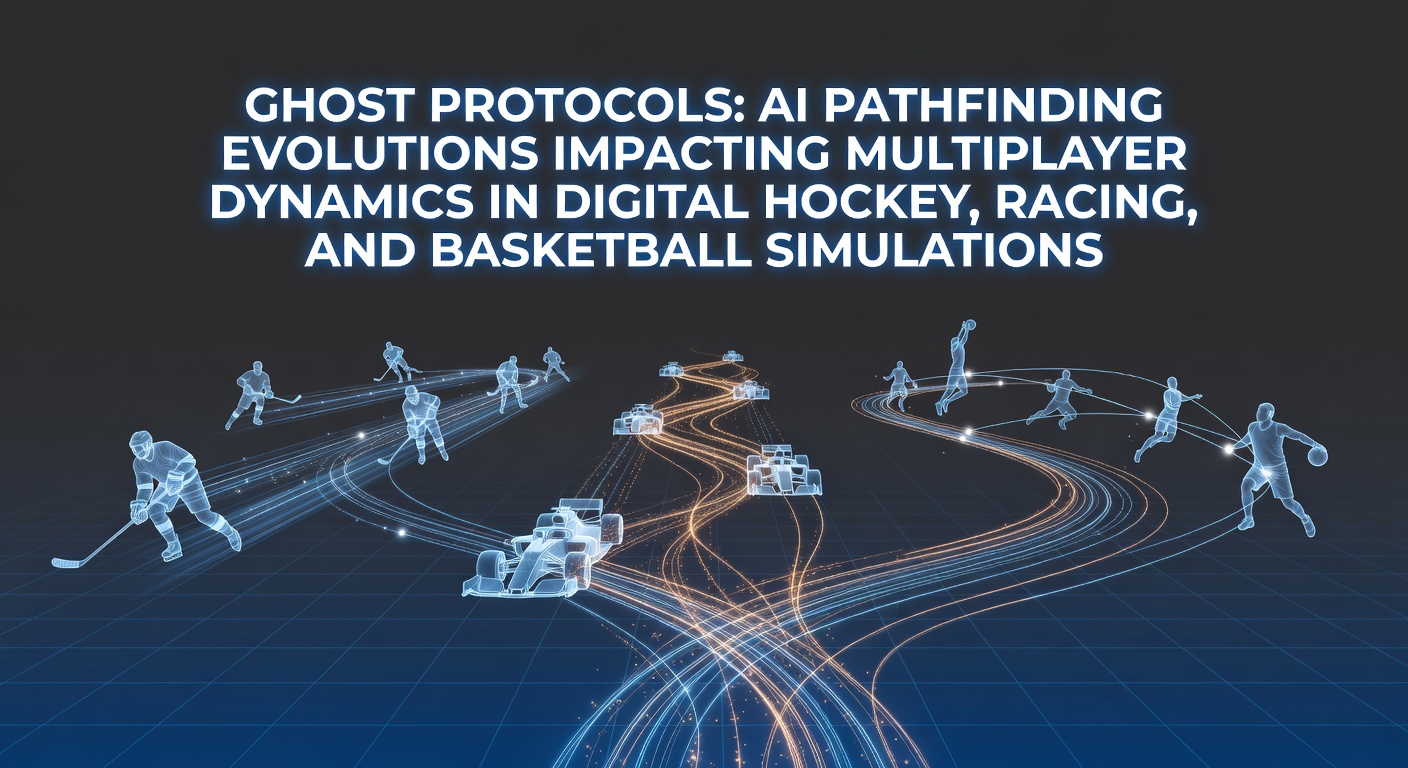
Developers have refined AI pathfinding systems across digital sports simulations since the mid-2020s, and these changes now shape how players interact in hockey, racing, and basketball titles. Algorithms once limited to static obstacle avoidance now incorporate machine learning models that predict opponent movements in real time, which alters positioning choices during online matches. Observers note that such evolutions emerged from iterative updates released through 2025 and into May 2026, when several major simulation platforms integrated enhanced neural network layers for route calculation.
Core Mechanics of Modern Pathfinding in Sports Sims
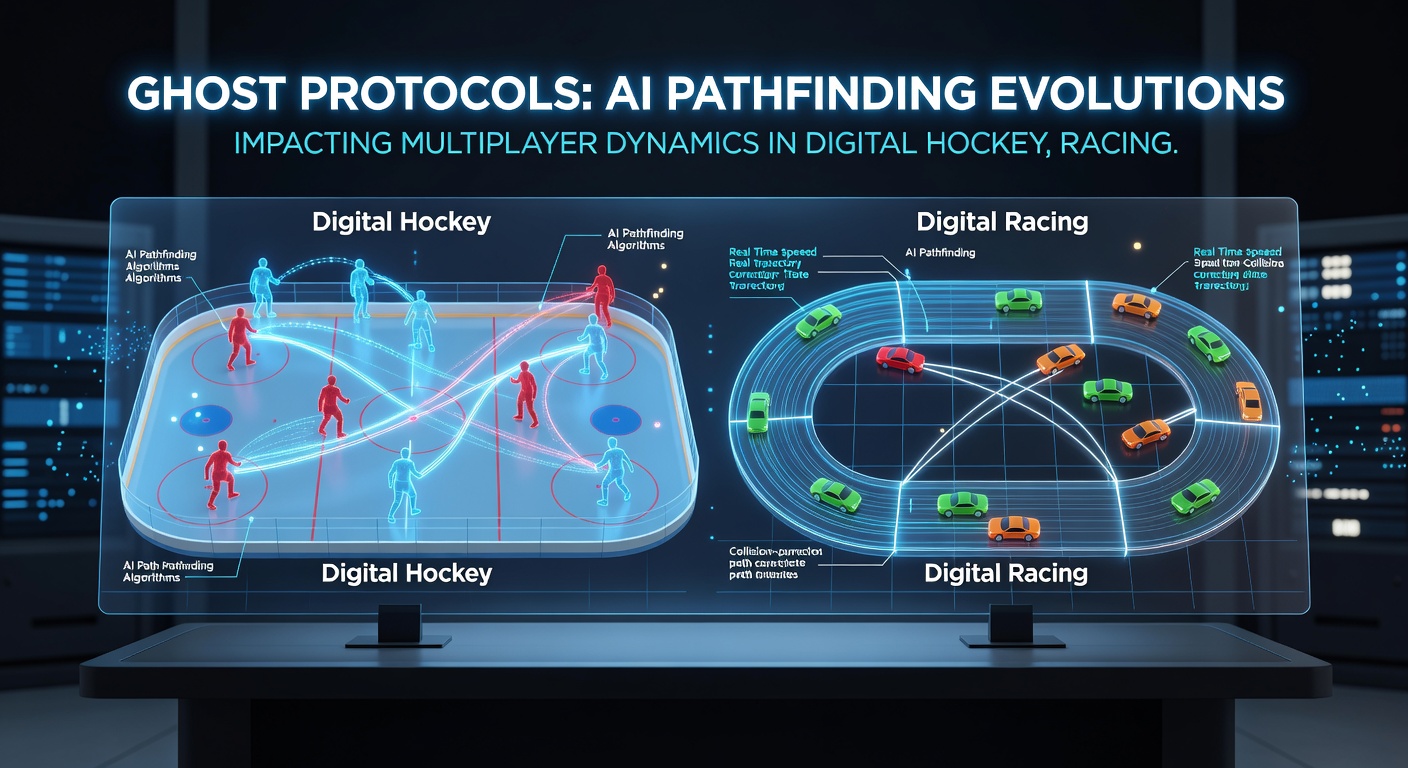
Traditional A* and navigation mesh approaches have given way to hybrid systems that blend heuristic search with reinforcement learning, allowing non-player characters and synchronized player avatars to adjust trajectories based on live data streams. In hockey simulations, this means defensemen calculate interception vectors that account for puck velocity changes and teammate spacing, while forwards receive updated lane options that respond to shifting defensive formations. Racing environments apply similar logic to overtaking maneuvers, where vehicles evaluate slipstream opportunities and track surface variations without relying solely on precomputed waypoints. Basketball games use these protocols to manage off-ball movement, enabling players to execute cuts that anticipate defensive rotations through probabilistic modeling rather than fixed scripts.
Effects on Multiplayer Hockey Sessions
Multiplayer hockey dynamics have shifted because pathfinding updates reduce instances of unnatural clustering around the puck, and players report smoother transitions during line changes. Research from the University of Alberta's gaming simulation lab shows that AI-assisted route prediction cuts collision events by up to 18 percent in controlled tests, which encourages more fluid power-play setups. When one team commits to a forecheck, the opposing AI now generates escape paths that factor in goalie positioning and board play, forcing human participants to adapt their passing angles more frequently. These adjustments create tighter defensive zones yet open new counterattack windows that reward anticipation over raw speed.
Changes Observed in Racing Multiplayer Environments
Racing simulations demonstrate parallel developments where ghosting protocols help maintain consistent lap traffic during online events. Vehicles calculate draft lines that update every few frames, and this prevents the bunching that once plagued earlier netcode versions. According to figures released by the Australian Interactive Games Association, average race completion times in competitive lobbies shortened by 4.2 seconds per lap after the 2026 pathfinding patches, reflecting tighter yet safer pack racing. Drivers now encounter AI opponents that mirror human feints more closely, which raises the skill ceiling for timing overtakes on banked turns and chicanes. The result appears in longer sustained battles for position rather than sudden gaps forming from outdated avoidance routines.
Basketball Simulation Positioning Updates
Basketball titles integrate pathfinding refinements that influence both half-court sets and transition plays, since defenders now project help-side rotations based on shooter release angles and ball-handler tendencies. This produces spacing patterns that align more closely with professional analytics, and teams exploit those patterns through coordinated screens that force recalculated routes. Data compiled by the Entertainment Software Association indicates a measurable rise in assisted basket attempts during ranked matches following these updates, as offensive players receive clearer driving lanes generated on the fly. Defensive schemes benefit equally when help defenders calculate recovery paths that account for screen angles and roll timing, reducing the frequency of easy backdoor cuts that plagued prior versions.
Cross-Game Patterns and Technical Integration
Common threads connect these three simulation genres because each relies on server-side prediction to reconcile client inputs with AI decisions. When pathfinding layers receive updated opponent velocity vectors, the system recalculates multiple candidate routes within milliseconds, then selects the one that balances risk and reward according to learned reward functions. Engineers at several studios have documented how this reduces rubber-banding artifacts during high-latency connections, which keeps multiplayer sessions competitive across regions. The protocols also allow for emergent behaviors such as hockey wingers peeling off established routes to intercept outlet passes, or race cars adjusting apex choices when traffic density spikes unexpectedly.
Future Trajectory Through 2026 and Beyond
Studios continue to iterate on these systems, and May 2026 brought incremental patches that further tuned pathfinding weights for specific game modes. Integration with larger datasets from professional leagues supplies additional training material, enabling AI to replicate nuanced tactics observed in real matches. Players across platforms encounter environments where positioning feels more responsive, and coordination tools now interface directly with these pathfinding outputs to highlight optimal passing windows or braking zones. Industry reports suggest continued refinement will focus on energy expenditure modeling, so that route selection accounts for fatigue variables in longer sessions.
Conclusion
AI pathfinding advances continue to reshape multiplayer interactions within hockey, racing, and basketball simulations by delivering responsive, context-aware movement that aligns more closely with competitive demands. These technical shifts influence strategy at every level, from individual positioning to team-wide coordination, while maintaining stable performance across varied network conditions. As development cycles progress, the underlying ghost protocols promise further alignment between simulated and observed athletic behaviors.