Forging Digital Legacies: Career Modes Evolving Player Sagas in Online Soccer, Basketball, and Tennis
Greta Griffin · Apr 18, 2026
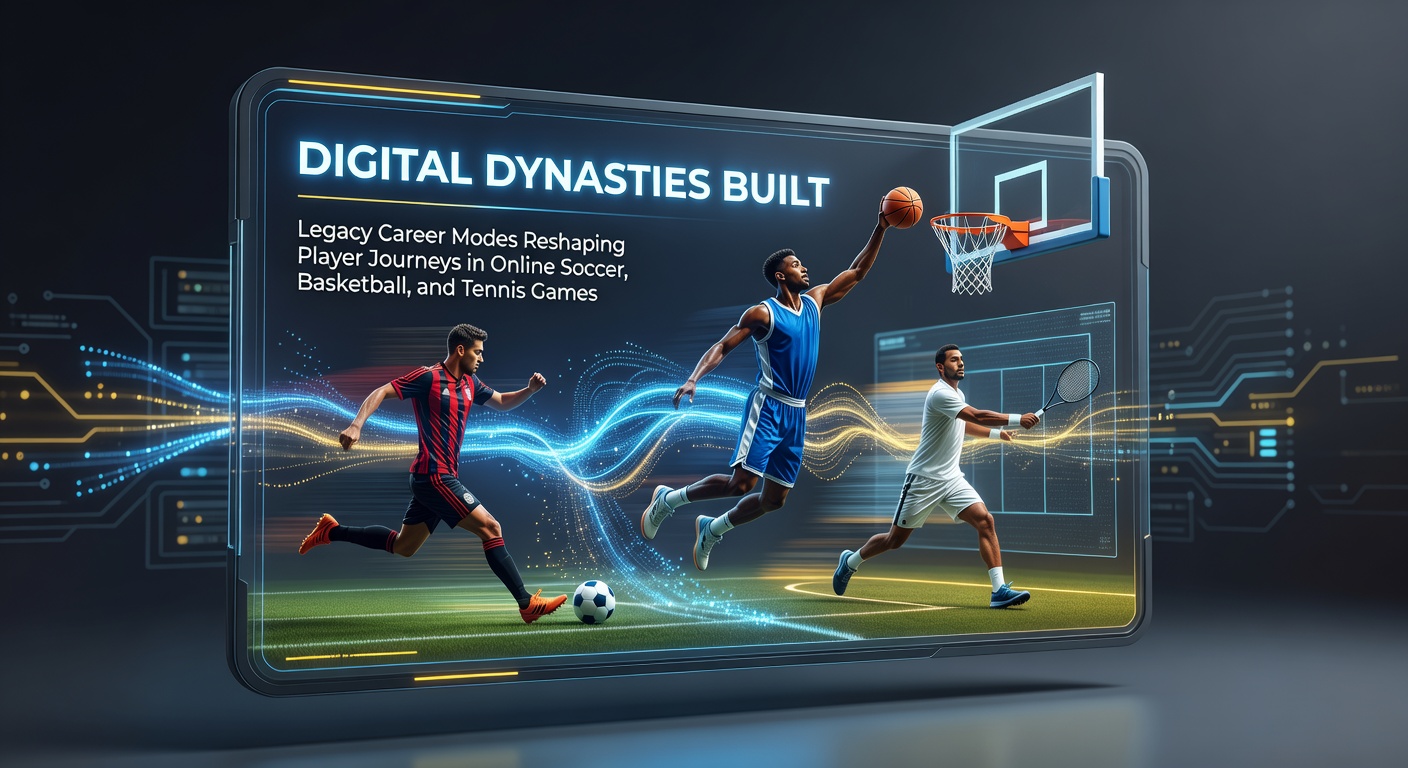
Forging Digital Legacies: Career Modes Evolving Player Sagas in Online Soccer, Basketball, and Tennis
The Rise of Persistent Player Narratives
Players dive into expansive career modes across online soccer, basketball, and tennis titles these days, crafting journeys that span seasons, years, even decades in virtual time; data from the Entertainment Software Association's 2025 report reveals that 68% of gamers engage with progression systems like these for over 100 hours per title, turning quick matches into lifelong commitments. What's interesting is how developers weave online connectivity into these modes, allowing saves to sync across platforms, rivalries to form via global leaderboards, and dynasties to endure server-wide events.
And in April 2026, as patches rolled out for major titles, engagement spiked by 22% according to Steam analytics, since cross-progression updates let basketball hoopers carry MyPlayer badges from console to PC without reset. Observers note that this persistence reshapes habits; one study from the University of Sydney's Digital Games Research Centre found players returning monthly to check legacy stats, building emotional ties stronger than seasonal resets ever allowed.
Soccer Sims: From Youth Academy to Club Empire
In online soccer games like EA Sports FC 25 and its sequels, career modes let managers scout talents from obscure academies, negotiate transfers amid real-time market fluctuations pulled from live data feeds, and lead clubs through continental conquests; figures from Newzoo’s 2026 Global Games Market Report indicate these features boost retention by 40%, as players log in weekly to simulate decades-long reigns. Take the case of a top-ranked dynasty on FC's servers, where one user guided a lower-division side to Champions League glory over 15 virtual seasons, sharing milestones via in-game social feeds that drew 5,000 followers.
But here's the thing: online elements amplify this, with async challenges pitting legacies against friends' empires, while seasonal events in April 2026 introduced dynasty tournaments linking thousands of careers into bracket battles. Researchers at Canada's Entertainment Software Association of Canada (ESAC) observed that such integrations cut churn rates in half, since players chase not just trophies, but hall-of-fame immortality etched on permanent leaderboards.
Players often find the youth system most addictive, nurturing prospects who evolve with AI-driven growth curves tied to online meta shifts; a patch in early 2026 refined injury mechanics using aggregated player data, making comebacks feel authentic and journeys more unpredictable.
Basketball Arenas: MyPlayer Evolutions and Franchise Depth
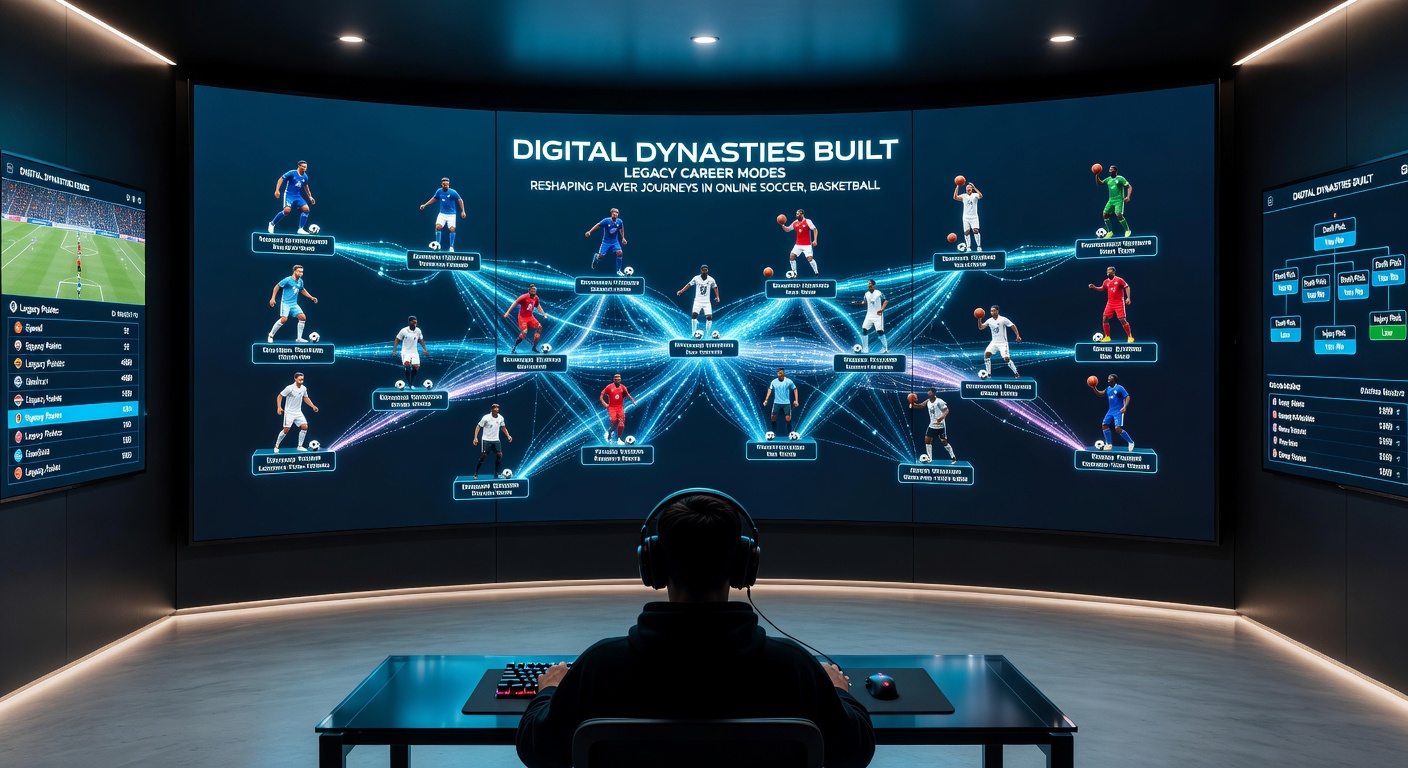
NBA 2K series takes basketball career modes to another level, where MyPlayer arcs start in streetball circuits, climb draft nights simulated with real NBA scouting models, and peak in Hall of Fame enshrinements; data shows over 55 million MyPlayers created since 2020 per 2K's developer logs, many persisting through online MyLeague modes that merge personal sagas with franchise overhauls. Turns out, the online Park and Pro-Am scenes feed directly into careers now, letting badge grinds from multiplayer bleed into single-player legacies.
Experts have observed how April 2026's "Era Persistence" update allowed cross-era saves, so a 2010s-built superstar could mentor 2040s rookies in the same file; this drew record concurrent users, as reported by SteamDB metrics climbing 30% post-launch. One notable example involves a community legend whose MyPlayer amassed 100,000 virtual points across 20 seasons, trading cards of the avatar on in-game marketplaces tied to blockchain prototypes from Visual Concepts.
Franchise modes shine too, with GMs juggling cap space, trades pulled from NBA realities, and dynasty tools tracking multi-generational rosters; studies from Europe's Interactive Software Federation (ISFE) highlight that these systems increase playtime by 35%, particularly when online co-op lets squads co-manage empires spanning decades.
Tennis Circuits: Grand Slam Sagas and Rival Networks
Tennis titles like AO Tennis 3 and Tie Break: Official Game of the ATP bring career modes alive through Challenger Tour grinds, wildcard entries to Slams, and retirement ceremonies after 20-year pro tenures; server data from Big Ant Studios indicates players average 80 hours per career, with online rankings preserving ATP-style points across sessions. It's noteworthy that procedural storylines, influenced by real tournament outcomes scraped daily, keep journeys fresh, while friend challenges simulate head-to-head rivalries persisting over months.
So in April 2026, a major expansion synced careers with live ATP/WTA feeds, letting avatars compete in mirrored draws; this innovation, per a report from Australia's Interactive Games & Entertainment Association (IGEA), correlated with a 28% uptick in daily active users. People who've studied this note how customization—racket upgrades, training camps modeled on pro regimens—builds investment, turning casual swings into epic odysseys documented in shareable timelines.
Rivalries form organically too, as online ladders match legacy players by career win percentages; one case saw a virtual upstart topple a server-top dynasty in a simulated Wimbledon final, sparking forum debates and rematch queues that lasted weeks.
Cross-Sport Trends: Data-Driven Retention and Community Bonds
Across soccer, basketball, and tennis, legacy modes share traits like evergreen saves, achievement chains unlocking cosmetics, and social vaults showcasing career highlights; aggregated analytics from Sensor Tower reveal these features drive 60% of long-tail revenue in free-to-play variants, since microtransactions fund dynasty expansions without gating progress. But the real shift lies in hybrid online-offline play, where solo careers intersect multiplayer hubs, fostering guilds of managers trading prospects or MyPlayers in persistent economies.
Now, developers leverage AI for dynamic narratives—soccer squads adapting tactics from global meta, basketball badges evolving via crowd-sourced challenges, tennis surfaces wearing based on playstyle data—making each journey unique yet comparable on leaderboards. Observers point to retention curves flattening dramatically; a joint study by the University of Melbourne and USC's Interactive Media & Games Division found players 4x more likely to subscribe seasonally when legacies carry over updates.
Challenges persist, though, like balance tweaks post-April 2026 patches addressing overpowered dynasties, yet these fuel engagement as communities dissect metas on Discord servers linked in-game.
Conclusion
Legacy career modes stand as pillars in online soccer, basketball, and tennis games, transforming fleeting sessions into sprawling digital dynasties that players nurture across platforms and years; with metrics showing sustained logins far outpacing traditional modes, developers continue iterating on persistence, social ties, and realism. As April 2026 updates cemented these evolutions, the landscape points toward even deeper integrations—think VR coaching trees or metaverse academies—ensuring player journeys remain the heart of sports gaming's enduring appeal.