Draft Cascades: How Initial Choices Shape Multiple Seasons in Online Football, Soccer, and Hockey Leagues
Greta Griffin · Jun 15, 2026
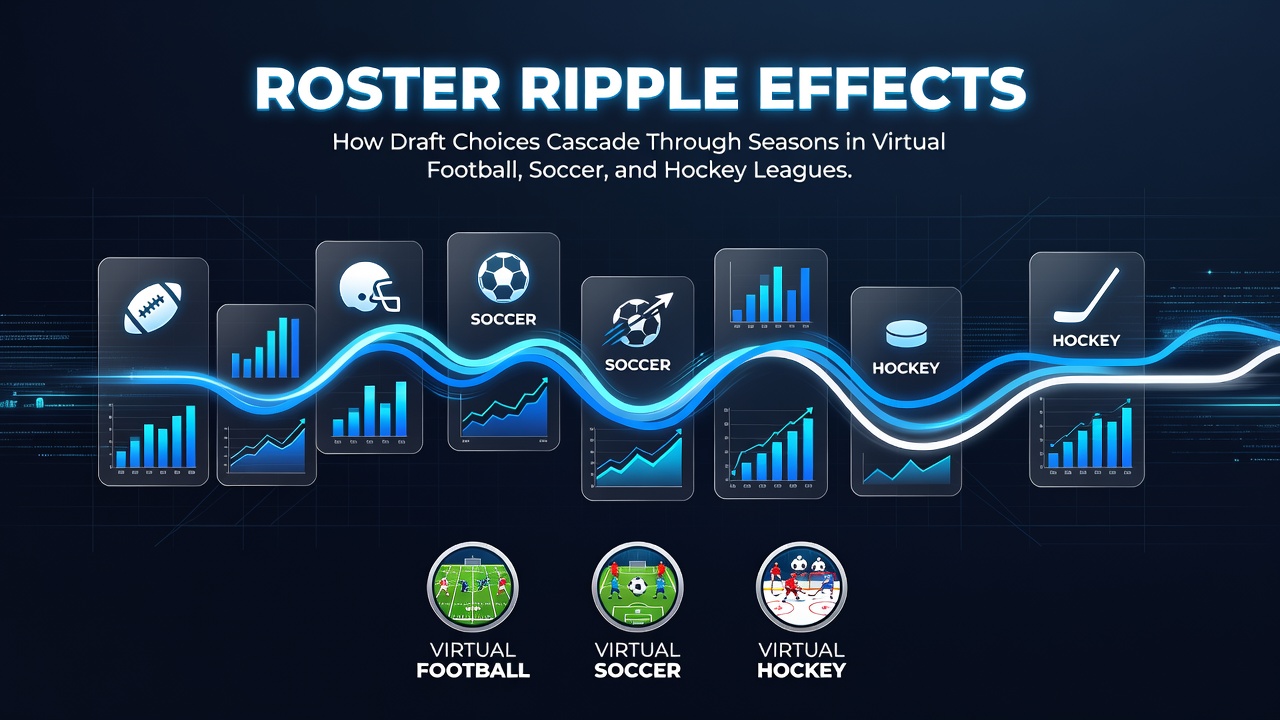
Draft Cascades: How Initial Choices Shape Multiple Seasons in Online Football, Soccer, and Hockey Leagues
Virtual sports leagues operate on interconnected systems where a single draft pick sets off sequences of adjustments that extend across multiple seasons, and observers note how these decisions influence team performance, salary structures, and competitive balance in football, soccer, and hockey simulations. Research indicates that early selections often determine not just immediate roster strength but also future trading options and developmental pathways, while data shows patterns emerging from analytics tracking player progression over time.
Core Mechanics Driving Roster Shifts
Simulation engines calculate player attributes based on draft position, scouting reports, and positional needs, which then feed into contract negotiations and injury recovery models that span several years. Those who've studied these systems know how a high-value pick in one position creates surplus value elsewhere, prompting trades that redistribute talent and alter division standings for subsequent campaigns. What's interesting is how these calculations incorporate historical performance data to project long-term value, allowing leagues to maintain parity without direct intervention.
League rules enforce salary caps and roster limits that amplify the effects of each choice, so one suboptimal selection forces compensatory moves in later rounds or through free agency periods. According to findings from the Entertainment Software Association, simulation titles demonstrate measurable changes in win percentages tied directly to draft accuracy rates across thousands of user-managed seasons.
Football League Ripple Patterns
In virtual football environments, quarterbacks drafted early frequently anchor franchise trajectories for five or more seasons, yet a strong offensive line pick can enable multiple running backs to exceed projected yardage totals while opening passing lanes that elevate receivers drafted later. Teams that secure versatile defensive ends early gain flexibility to rotate personnel and reduce fatigue-related performance drops, which in turn affects playoff seeding calculations. These connections extend to practice squad promotions that fill gaps created by initial selections, sustaining depth throughout injury-plagued stretches.
Soccer and Hockey League Variations
Soccer simulations emphasize youth academy integrations where first-round draft choices accelerate promotion timelines for academy graduates, and this produces squad cohesion metrics that influence European competition qualifications over consecutive years. Hockey leagues, meanwhile, see defensemen selections cascade into power-play formations that dictate special teams rankings, while goalie picks stabilize or destabilize entire defensive structures across regular season schedules. Observers note that forward depth created by mid-round selections often determines overtime win rates in tightly contested divisions.
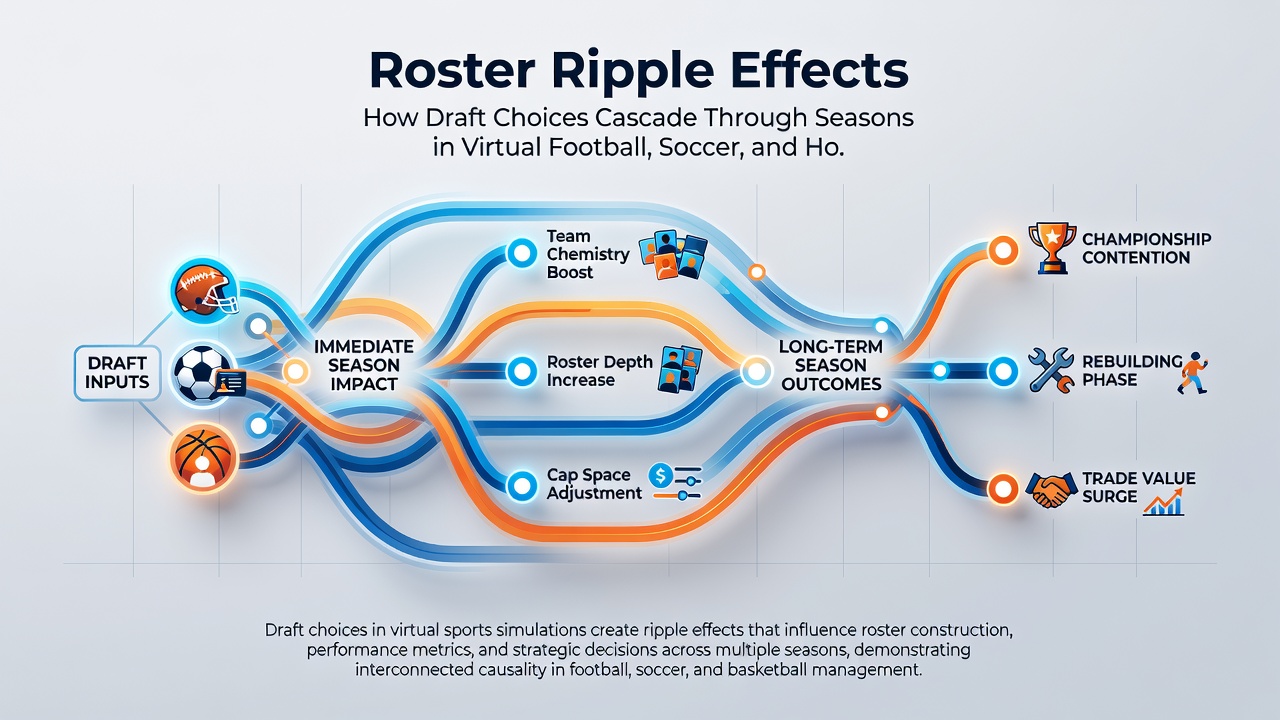
Development systems in these titles track skill growth tied to playing time allocations that originate from draft strategies, so players acquired in later rounds receive targeted coaching that compounds their contributions during championship pushes. Data compiled through June 2026 reveals consistent correlations between draft round efficiency and sustained divisional contention, particularly when combined with injury simulation variables that test roster resilience.
Trade Networks and Future Season Impacts
Initial draft choices generate assets that circulate through trade markets, where teams exchange surplus picks or players to address weaknesses identified after the first season concludes. These exchanges create secondary effects on salary cap space, freeing resources for extensions that lock in core contributors for additional campaigns. Figures from industry reports show how such movements redistribute competitive advantages, preventing any single franchise from dominating across extended periods without strategic adjustments.
Analytics layers embedded in the simulations provide real-time feedback on projected outcomes, enabling managers to anticipate how a current selection will interact with upcoming draft classes and free agent pools. This forward planning reduces the severity of negative ripples while maximizing positive ones, such as when a mid-tier pick develops into a trade chip that acquires multiple future assets.
Conclusion
Virtual leagues demonstrate that draft selections function as foundational inputs within larger ecosystems of player development, trades, and rule-based constraints, with effects compounding across seasons in football, soccer, and hockey formats. Research from the Interactive Software Federation of Europe confirms these patterns appear reliably in user data, highlighting the structural nature of roster planning in simulation environments. The ongoing evolution of these mechanics continues to shape how participants approach each draft cycle with awareness of extended consequences.