Chain Reactions: How Momentum Transfers Between Consecutive Matches Influence Online Hockey, Basketball, and Soccer Tournaments
Clara Krause · Aug 24, 2026
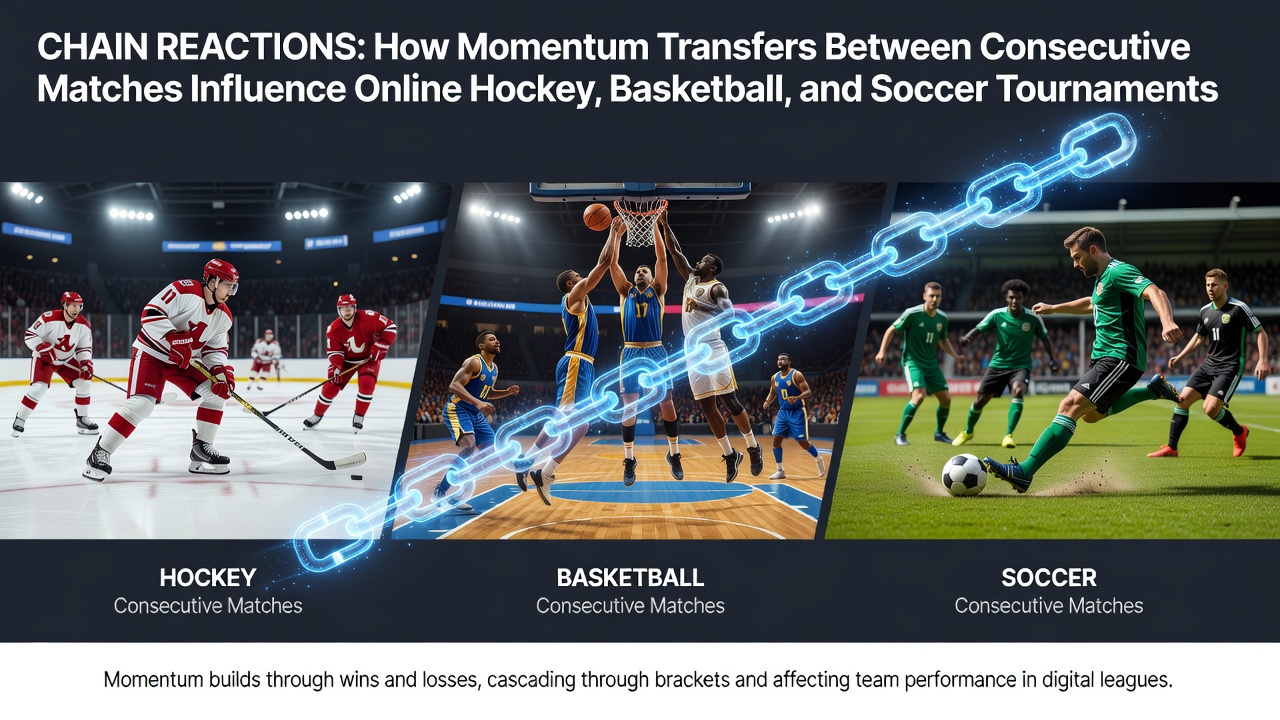
Chain Reactions: How Momentum Transfers Between Consecutive Matches Influence Online Hockey, Basketball, and Soccer Tournaments
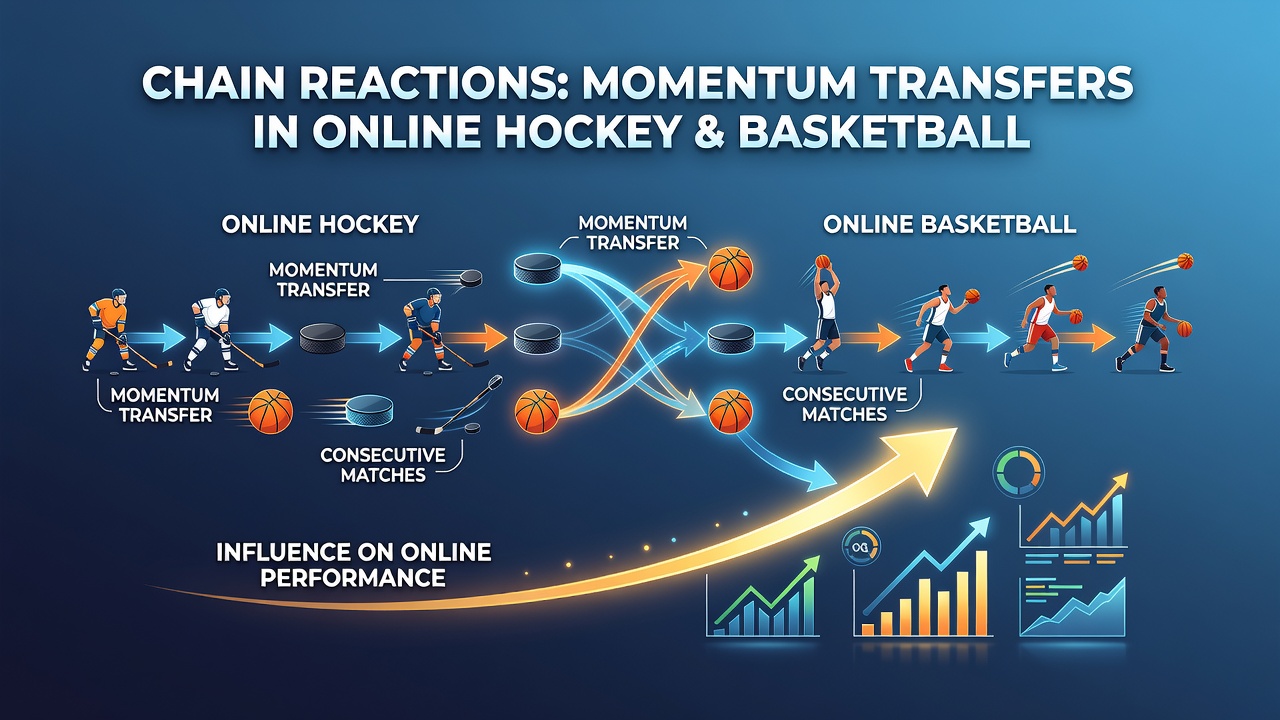
Online tournaments in hockey, basketball, and soccer often feature back-to-back matches where performance in one contest directly shapes the parameters of the next, and game engines encode these connections through variables such as fatigue accumulation, streak multipliers, and morale adjustments that carry forward automatically. Developers implement these systems so that a team completing a high-scoring win enters the following fixture with temporary boosts to attributes like acceleration or shot accuracy, while a narrow loss might trigger slight debuffs that persist until the next rest period resets the values.
Core Mechanics of Momentum Transfer
Engineers build momentum systems around numeric trackers that increment or decrement after each match concludes, and these trackers feed into the simulation loop for the subsequent game without requiring manual intervention from players or organizers. In hockey titles the tracker might elevate line chemistry scores after a shutout victory, allowing lines to execute passes with reduced error margins during the next period of play, whereas basketball simulations adjust defensive positioning thresholds based on prior rebounding efficiency so that teams riding positive streaks contest shots more effectively from the opening tip. Soccer platforms apply similar logic through possession retention modifiers that rise after sustained periods of control in the previous match, giving midfielders extra time on the ball before fatigue counters begin to climb.
August 2026 schedules already list several multi-day online events where these carryover effects will determine qualification brackets, and tournament operators publish the exact modifier tables in advance so participants can anticipate how early results will influence later rounds. Data logs from previous cycles show that squads maintaining a three-match win streak receive cumulative bonuses that peak around the fourth fixture before diminishing returns set in, and developers adjust the decay rate each season based on aggregate match telemetry collected across regions.
Implementation Across Different Sports
Hockey simulations emphasize physical wear through separate stamina pools for skaters and goalies, so a team playing an overtime win carries elevated fatigue into the next contest unless the interval between matches exceeds a coded threshold. Basketball engines focus more on shooting rhythm variables that improve after consecutive made baskets, allowing hot streaks to extend across games when players remain in the lineup without substitution penalties. Soccer versions track pressing intensity metrics that carry over, meaning a side that pressed high and forced turnovers in match one starts the follow-up fixture with a temporary advantage in regaining possession near the halfway line.
Observers note that the interaction between these sport-specific trackers and shared tournament rules produces distinct strategic patterns, and analysts at the Entertainment Software Association have documented how early-round results in multi-game formats alter qualification probabilities more than isolated match outcomes alone. European developers contributing to the same platforms apply region-specific tuning so that latency differences do not override the intended momentum flow, and the European Games Developer Federation reports confirm consistent implementation of these systems across major titles released through 2025.
Player Adaptation and Tournament Structure
Participants learn to monitor visible momentum indicators displayed on tournament dashboards, and many adjust lineup selections or tactical presets between matches to either preserve positive modifiers or mitigate negative ones before the next fixture begins. Bracket designs in August 2026 events often include longer rest windows after high-intensity encounters precisely to allow partial decay of carried fatigue values, giving organizers control over how strongly momentum influences later stages. When consecutive matches occur within short windows the carryover effects become more pronounced, and data sets from prior events reveal that teams with superior depth in substitute pools maintain higher average performance across extended schedules compared with squads relying on fixed starting units.
Rule sets published by platform operators specify exact conditions under which momentum resets occur, such as after a loss by more than a defined margin or following any match that reaches extra time, and these parameters remain constant throughout each tournament cycle to maintain fairness. Teams that study historical logs can identify patterns where certain momentum thresholds trigger cascading advantages, particularly in elimination rounds where the psychological weight of an ongoing streak aligns with the mechanical bonuses already coded into the simulation.
Conclusion
Momentum transfer systems continue to shape outcomes in online hockey, basketball, and soccer tournaments by linking consecutive matches through persistent numeric states that reflect prior results. Tournament calendars for 2026 already incorporate these mechanics into scheduling and qualification logic, while developers refine the underlying formulas using telemetry gathered from global player bases. The result remains a connected sequence of contests where each result feeds directly into the conditions of the next.