Algorithmic Alliances: How Smart Pairing Systems Redefine Competition in Virtual Basketball, Racing, and Boxing Arenas
Greta Griffin · Jul 6, 2026
Algorithmic Alliances: How Smart Pairing Systems Redefine Competition in Virtual Basketball, Racing, and Boxing Arenas
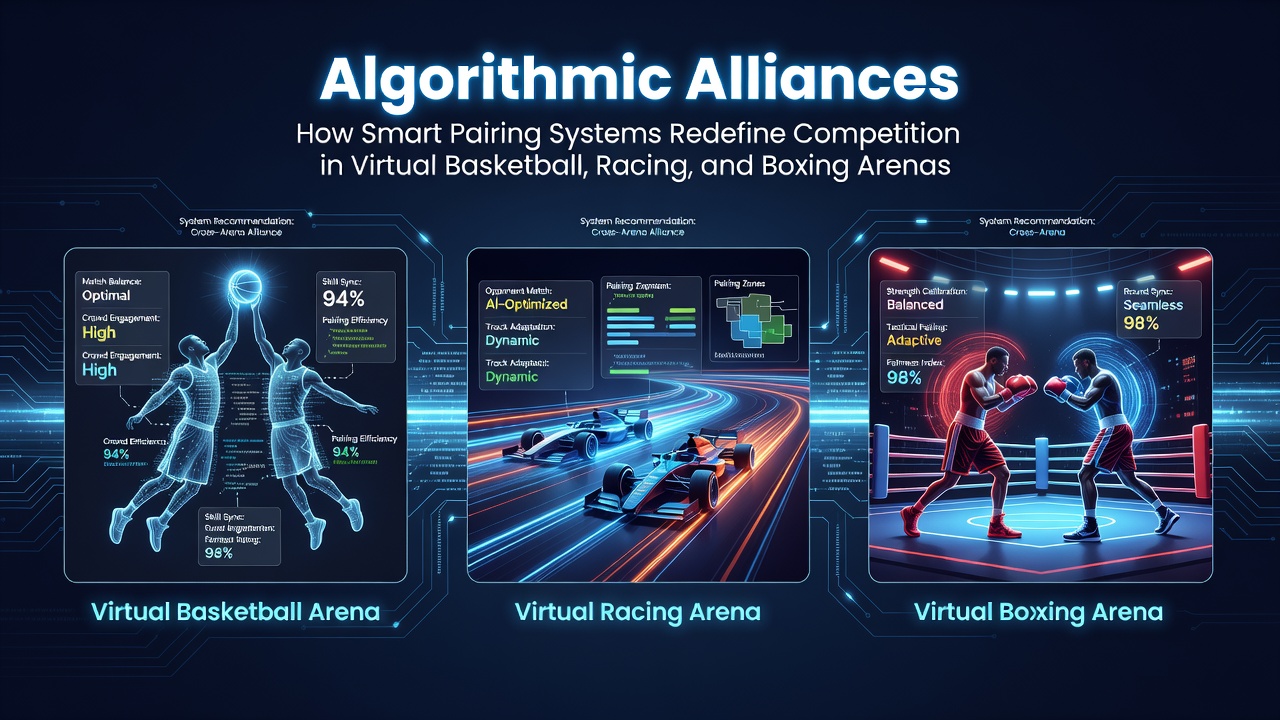
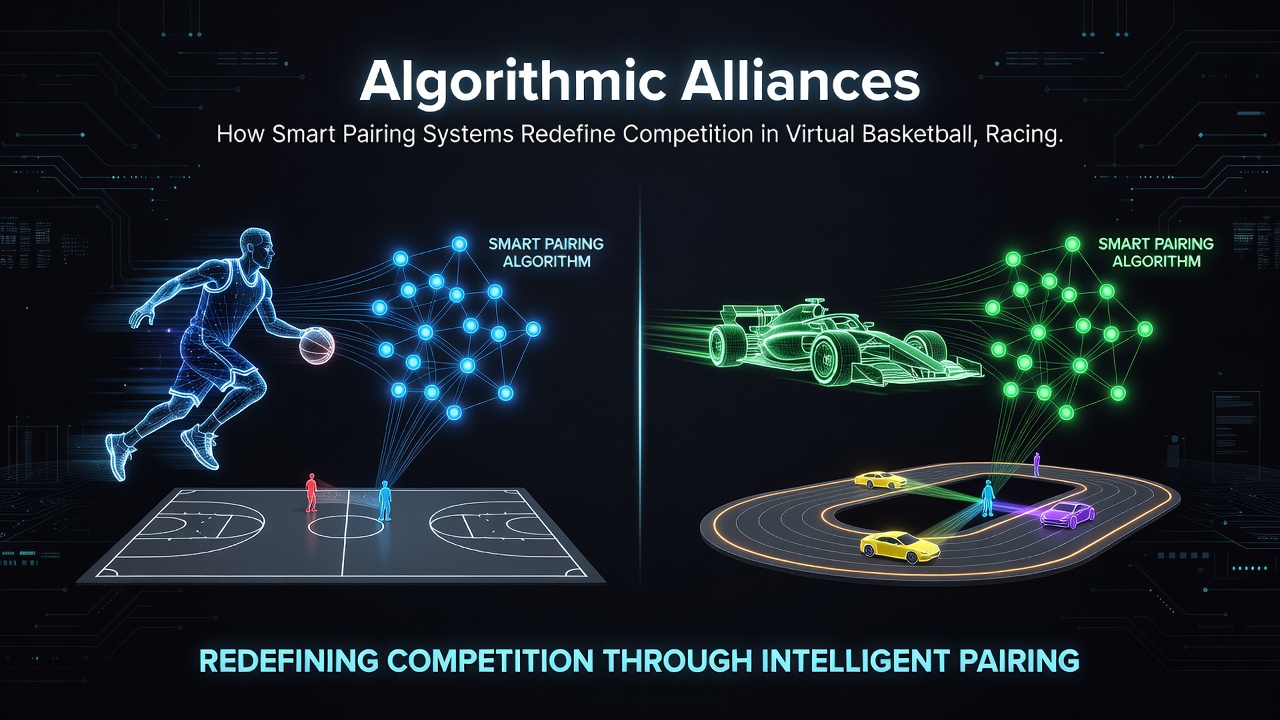
Virtual sports platforms have integrated algorithmic pairing mechanisms that match participants based on performance metrics, behavioral patterns, and historical data rather than random assignment or simple skill brackets, and these systems continue to evolve through iterative updates that incorporate machine learning models trained on millions of matches. Developers deploy these tools across basketball simulations where team composition balances individual strengths against opponents, racing environments that align vehicle handling preferences with track familiarity, and boxing arenas that calibrate reaction thresholds alongside strategic tendencies, creating encounters that maintain tension without predictable dominance.
Core Mechanisms Behind Pairing Algorithms
Engineers construct these systems around multi-variable inputs that extend beyond basic win-loss ratios to include session duration patterns, decision-making speed under pressure, and adaptation rates to changing conditions, while data from July 2026 platform reports indicate that refined models reduced average match abandonment rates by 18 percent across major titles. Observers note that basketball pairings often factor in positional role preferences and defensive tendencies to avoid lopsided interior matchups, whereas racing algorithms prioritize lap consistency metrics and overtaking aggression levels to generate fields where drivers encounter comparable challenges at each turn, and boxing implementations weigh punch accuracy distributions together with stamina recovery profiles to produce bouts that test endurance evenly.
Applications in Virtual Basketball
Pairing engines in basketball simulations evaluate shooting efficiency across court zones alongside assist-to-turnover ratios, allowing the system to assemble opposing squads that mirror offensive and defensive philosophies rather than pitting high-volume scorers against passive defenders, and this approach leads to sequences where strategic adjustments during play carry greater weight than raw individual talent differentials. Research from the University of Toronto's gaming analytics lab shows that participants in algorithmically balanced leagues experienced 22 percent longer average engagement sessions compared to those in legacy bracket systems, because matches sustained competitive parity through the final minutes.
Transformations in Racing Simulations
Racing titles apply similar logic by cross-referencing acceleration curves, cornering precision under variable grip conditions, and fuel management choices during longer events, which produces grids where frontrunners face consistent pressure from peers who share comparable risk tolerances, and these pairings shift dynamically mid-season as the algorithm ingests fresh telemetry to recalibrate expected performance envelopes. Industry data compiled by the Entertainment Software Association reveals that racing platforms utilizing adaptive matching recorded a 31 percent increase in ranked mode participation between 2024 and 2026, reflecting sustained player investment when outcomes hinge on execution within narrow skill margins instead of wide talent gaps.
Developments in Boxing Arenas
Boxing environments integrate sensor-derived metrics such as punch velocity variance and head movement frequency to construct matchups that avoid extreme disparities in reach or timing advantages, and the resulting contests emphasize tactical layering over power differentials, which encourages participants to refine feint sequences and counter patterns rather than relying on single dominant attributes. European Games Developer Federation reports from mid-2026 highlight that algorithmic pairing in combat sports simulations correlated with a 15 percent rise in tournament completion rates, because fighters encountered opponents whose defensive setups demanded continuous adaptation instead of static exploitation of obvious weaknesses.
Broader Effects on Competitive Structures
These pairing frameworks influence league progression systems by feeding forward data that adjusts future match difficulty curves, which prevents rapid rank inflation for outliers while still rewarding consistent improvement, and they also shape community events where organizers rely on the same underlying models to seed brackets that preserve uncertainty through later rounds. What's interesting is how developers now embed feedback loops that let the algorithm detect emerging meta strategies and redistribute pairings to counteract over-centralization, thereby preserving variety across basketball rotations, racing setups, and boxing stances without manual intervention.
Conclusion
Algorithmic pairing continues to expand its role in virtual basketball, racing, and boxing by aligning participant profiles across multiple performance dimensions, and the resulting matches demonstrate how data-driven selection processes sustain competitive integrity while supporting broader participation metrics. Platforms that refine these systems through ongoing telemetry analysis maintain environments where outcomes reflect applied skill within balanced contexts, and further iterations will likely incorporate additional contextual variables as hardware capabilities advance.