Aerodynamics in Virtual Arenas: How Simulation Tech is Shaping Tennis, Golf, and Hockey Games
Clara Lehmann · Jun 4, 2026
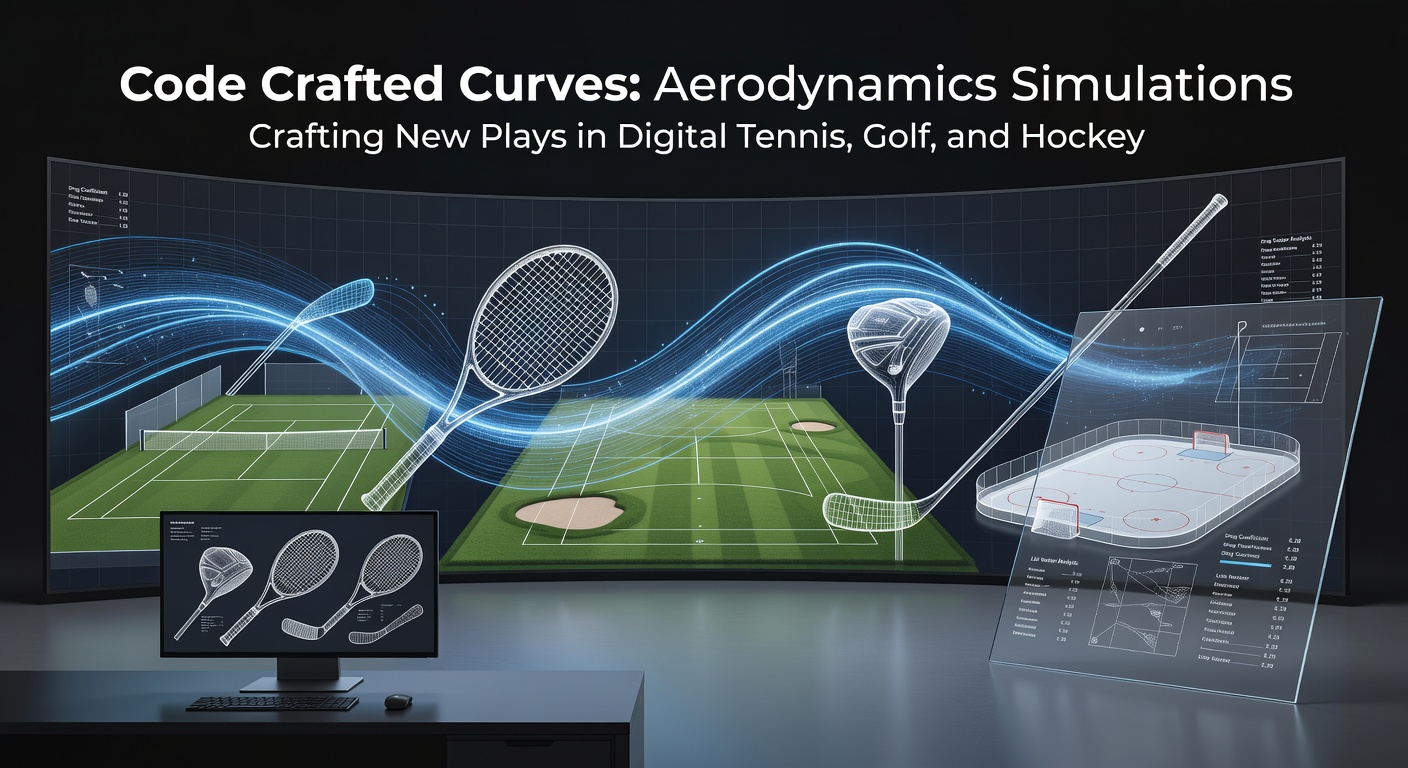
Aerodynamics in Virtual Arenas: How Simulation Tech is Shaping Tennis, Golf, and Hockey Games
Game developers have integrated advanced aerodynamics models into sports simulations since the early 2020s, and by June 2026 these systems continue to influence player strategies across tennis, golf, and hockey titles. The physics engines calculate air resistance, spin forces, and turbulence effects on balls and pucks, which alters shot selection and defensive positioning in ways that mirror real-world data collected from professional athletes.
Core Mechanics Behind Curve Calculations
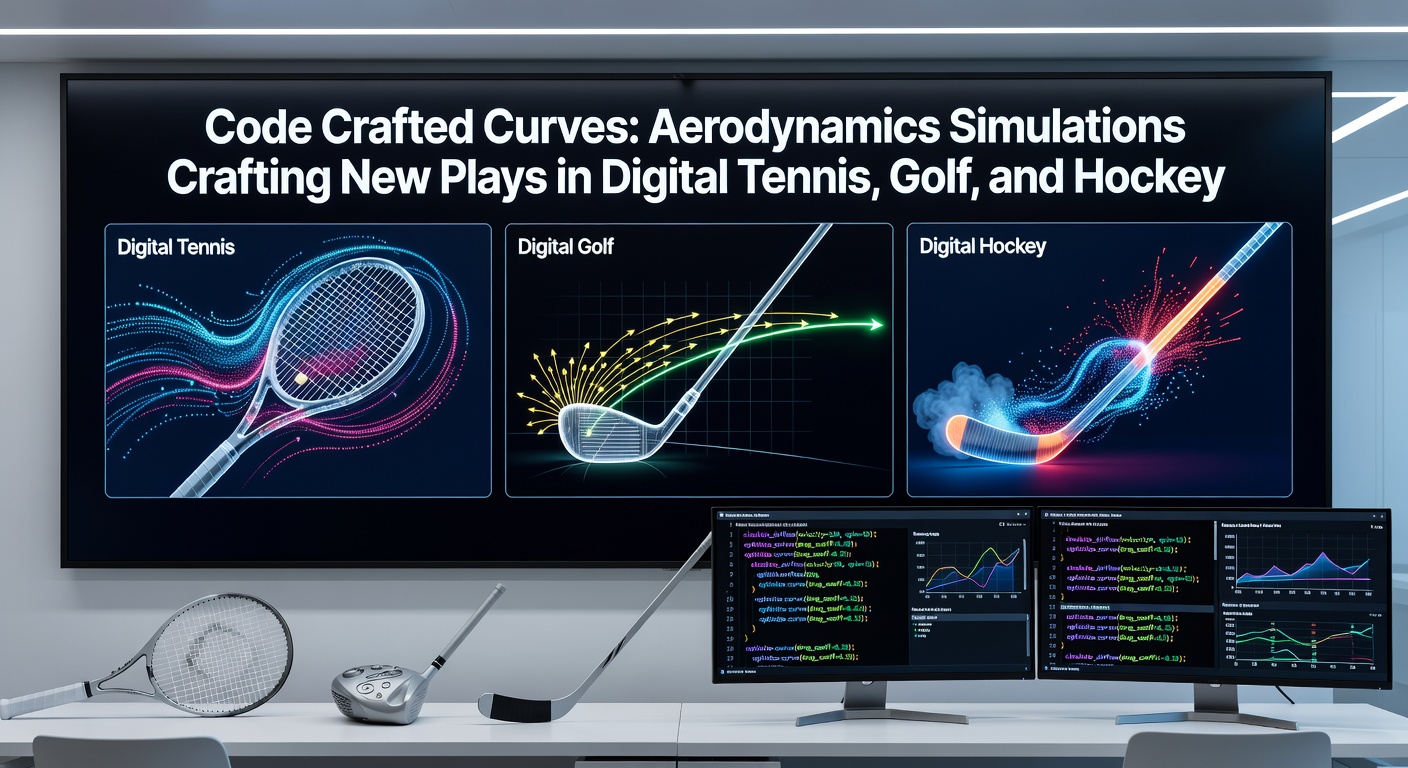
Engineers build upon Navier-Stokes equations adapted for real-time processing, and these adaptations allow particles to respond to variables like humidity levels, altitude changes, and surface textures. In tennis simulations, topspin serves dip sharply after crossing the net while slice shots skid laterally, forcing opponents to adjust their swing timing based on predictive indicators displayed during rallies. Golf titles apply similar calculations to dimpled ball surfaces where backspin generates lift that extends carry distance on approach shots, whereas hockey engines model puck flights during slapshots with trailing vortices that affect accuracy when passing through defensive zones.
Implementation in Tennis Environments
Developers at major studios have layered wind tunnel datasets onto court surfaces, and this layering produces variable bounce behaviors that shift with each environmental preset. Players encounter crosswinds that push baseline rallies wide, which encourages use of inside-out forehands to counteract drift, while serve-and-volley tactics gain reliability on faster indoor settings because reduced air density minimizes deceleration. Observers note that these adjustments have led to updated training modules where AI opponents exploit predictable arc patterns, prompting human competitors to vary their contact points more frequently during extended exchanges.
Golf Flight Paths and Environmental Variables
Simulations incorporate elevation maps drawn from actual courses alongside dynamic weather feeds updated hourly, and the combination produces carry distances that shorten in high-pressure zones near sea level yet extend dramatically on mountain layouts. Club selection interfaces now display projected dispersion cones that account for side winds, allowing users to aim offset targets that compensate for fade or draw tendencies generated by swing path inputs. Research from the Australian Institute of Sport has examined how such visual feedback trains decision-making skills transferable to physical practice, according to findings released in late 2025.
Multiplayer lobbies have introduced shared wind fields that affect every participant simultaneously, which creates situations where a single gust alters group standings during tournament modes. Those who have studied telemetry logs find that successful rounds often depend on pre-shot adjustments made within a two-second window before impact, a timing constraint introduced to replicate professional preparation routines.
Hockey Puck Dynamics and Ice Interactions
Puck models combine air drag coefficients with friction modifiers from ice temperature readings, and the resulting trajectories curve more noticeably on slapshots taken from the point during power plays. Pass reception becomes a matter of anticipating lift generated by backhand flicks that travel through zones of lower pressure near the boards, while dump-and-chase strategies gain viability when simulations introduce tailwinds that accelerate loose pucks toward the corners. Canadian researchers affiliated with the Natural Sciences and Engineering Research Council have published comparative analyses showing how these variables correlate with real rink measurements collected during league seasons.
Strategic Shifts Observed Across Platforms
Community tournaments held throughout spring 2026 demonstrate measurable changes in win rates for players who master trajectory prediction tools, and data aggregated from leaderboards indicates higher success for those who prioritize angle manipulation over raw power inputs. Training scenarios now include randomized particle effects that mimic crowd-induced air currents, compelling participants to refine their release points under variable conditions that evolve mid-match.
Engine updates released in early June 2026 refined turbulence calculations around curved surfaces such as hockey sticks and tennis racquets, which introduced micro-adjustments during close-range deflections and volleys. These refinements have prompted teams to incorporate simulation review sessions into preparation routines, where replay analysis highlights how minor grip changes produce measurable differences in final positioning.
Conclusion
Continued refinement of aerodynamic systems in these simulations has expanded tactical depth without requiring hardware upgrades, and integration of external datasets from sports science institutions maintains alignment between virtual outcomes and physical benchmarks. Players across regions report that mastery of curve mechanics now forms a baseline expectation rather than an optional skill layer in competitive play.